

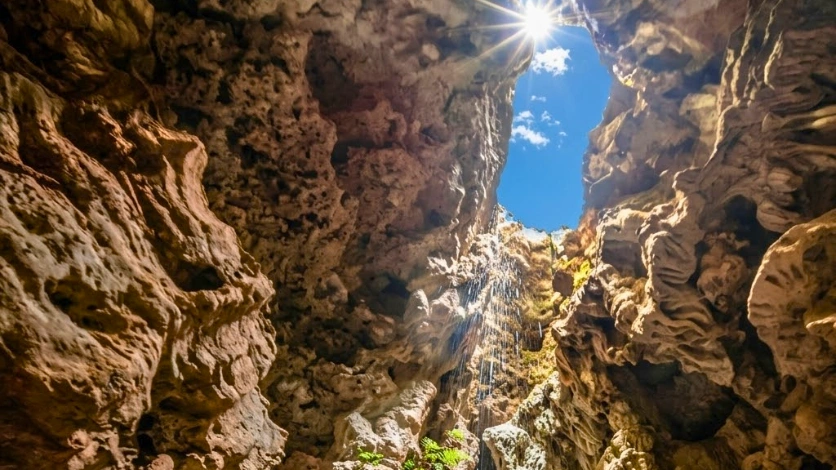
The Limestone Caves at Baratang Island are not the kind of attraction you stumble across. Getting there involves driving 100 kilometres from Port Blair through the Jarawa Tribal Reserve in a police convoy, then taking a motorboat through narrow mangrove creeks for 30 minutes, then walking a forest trail for another 15 to 20 minutes before the cave entrance appears. That journey is a significant part of what makes the visit worthwhile, by the time you reach the caves, you have passed through a stretch of the Andamans that most visitors never see. The caves themselves contain stalactite and stalagmite formations built up over thousands of years, set inside a dark, cool chamber that feels distinctly out of place in a tropical island context. It is an unusual combination, and Baratang is one of the few places in the Andaman Islands where you can see it.
About the Limestone Caves of the Andaman Islands
The Limestone Caves are located on the far side of a mangrove creek from Baratang village, in a part of the island accessible only by boat. The caves sit within a forested area that the Andaman and Nicobar Forest Department manages as an eco-tourism site. Boat services and guided access to the caves are organised from a jetty in Baratang village, and all visitors go through the same route, boat through the creek, walk through the forest, enter the cave.
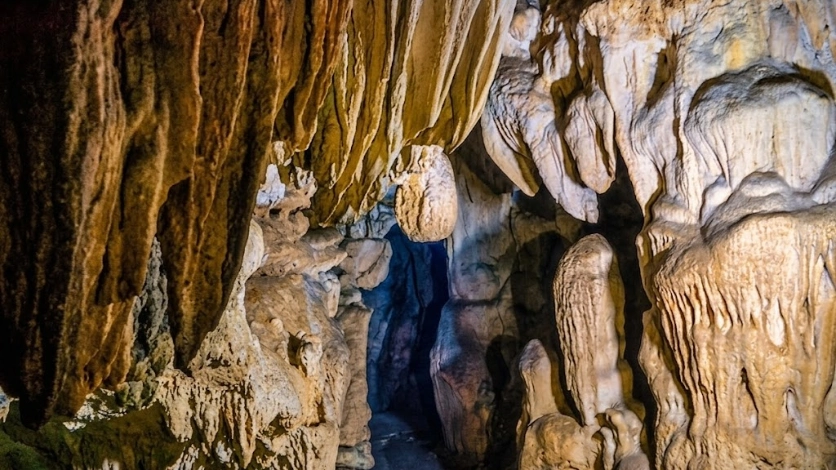
The cave system at Baratang is a limestone karst formation. The caves were carved out over a very long period by slightly acidic groundwater dissolving the calcium carbonate in the rock and creating hollow chambers and tunnels. What you see inside, the stalactites hanging from the ceiling and the stalagmites rising from the floor, are the reverse of that process: calcium carbonate redepositing slowly as water drips through the rock, building formations at a rate of roughly a cubic centimetre per century depending on conditions.
The accessible section of the cave is relatively compact. There is lighting installed inside, but the cave is still dark in sections and the floor is uneven in places. The temperature inside is noticeably cooler than outside, which after the boat ride and the forest trek in Andaman heat tends to feel like a considerable relief.
Quick Facts
- The Limestone Caves are one of the most popular natural attractions on Baratang Island.
- Visitors reach the caves by a mangrove boat ride followed by a short forest trek.
- The caves feature impressive stalactite and stalagmite formations shaped over thousands of years.
- The site is protected and managed by the Andaman and Nicobar Forest Department.
- Most visitors combine the caves with the Mud Volcano and Parrot Island on a day trip.
The History of Limestone Caves
- How the Limestone Caves at Baratang Were Formed
Limestone is a sedimentary rock formed primarily from the accumulated remains of marine organisms, shells, coral, and skeletal fragments, that settle on the seabed over millions of years and compress into rock. The Andaman Islands sit on a geologically complex zone where the Indian tectonic plate meets the Eurasian plate, and the limestone deposits here are part of a rock sequence that was laid down when these areas were below sea level.
As the land rose and the rock was exposed, rainwater, made mildly acidic by dissolved carbon dioxide, began percolating through the limestone along cracks and weak points. Over time this dissolved the rock and created underground voids, passages, and chambers. The formations inside the cave, stalactites and stalagmites, developed as mineral-rich water dripped through the ceiling of these chambers and deposited calcium carbonate with each drop, building up over thousands of years into the shapes visible today.
The caves at Baratang were known to local communities before they became a formal tourist site. The Forest Department developed the eco-tourism infrastructure, the boat service, the forest trail, the cave lighting, to make the site accessible while controlling the volume of visitors and limiting impact on the formations. The guided route ensures visitors stay on the designated path and do not touch or damage the cave structures.
Plan Your Limestone Caves Trip with Our Local ExpertsWhat to See on Limestone Caves
The Limestone Caves visit has three distinct parts, the mangrove boat ride, the forest trek, and the cave itself. Each section is worth paying attention to, not just the final destination.
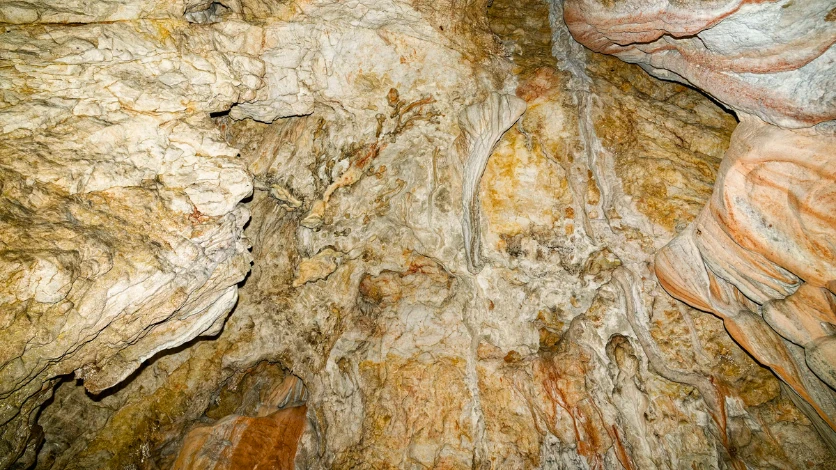
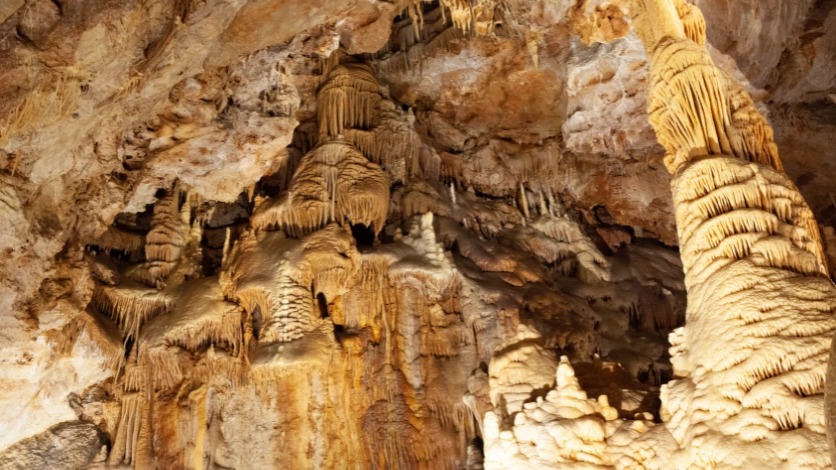
Stalactites & Stalagmites
Admire stunning limestone formations created, with unique stalactites and stalagmites showcasing the geological beauty of Baratang Island.
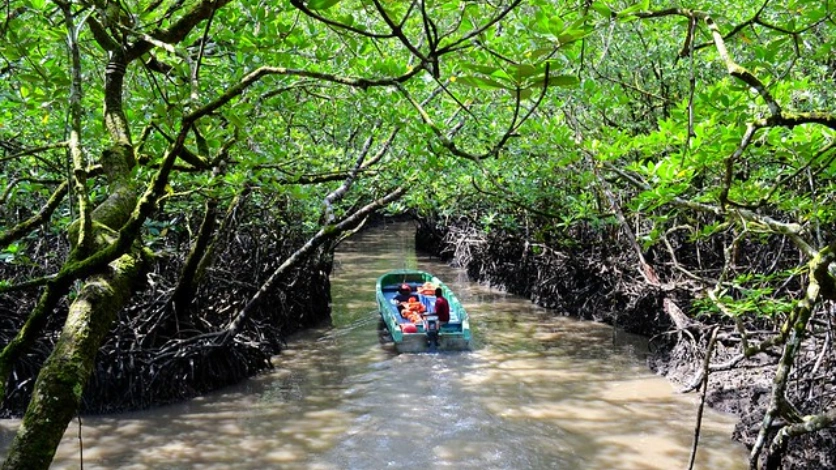
Mangrove Creek Boat Ride
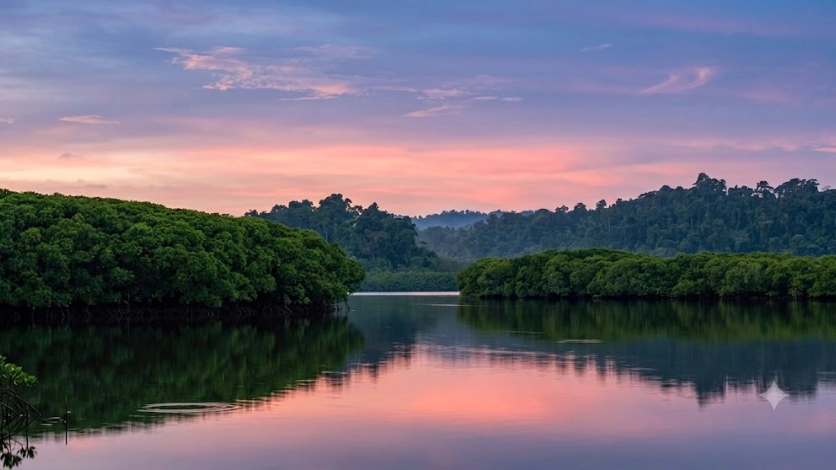
Enjoy a scenic boat ride through mangrove creeks, surrounded by dense forests, rich birdlife, and one of the Andaman Islands' most beautiful landscapes.
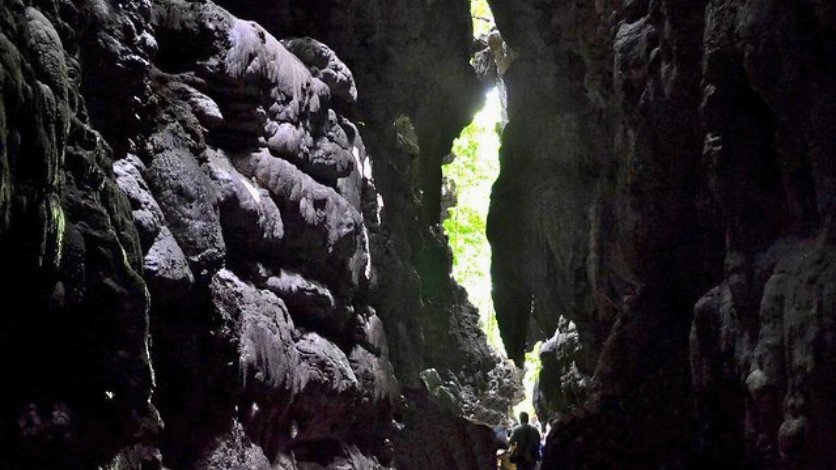
Forest Trail
Walk through a lush tropical forest on a short trail leading to the caves, experiencing native vegetation, fresh air, and peaceful surroundings throughout the journey.
Cave Entrance and Chamber
Enter the limestone cave and explore spacious chambers filled with rock formations, an underground adventure in Baratang Island.
Exploring the Limestone Caves
- Baratang Island's Natural Masterpiece
The Limestone Caves on Baratang Island are among the most fascinating natural attractions in the Andaman Islands. Hidden within a protected forest, these caves have taken thousands of years to form as mineral-rich water slowly shaped the limestone into impressive stalactites and stalagmites. Every chamber has its own unique rock formations, making each visit a little different.
The journey to the caves is just as memorable as the destination. Visitors first travel through narrow mangrove creeks by boat before taking a short walk through tropical forest to reach the cave entrance. The peaceful surroundings, rich greenery, and quiet atmosphere make the experience feel like an adventure into one of Andaman's untouched landscapes.
Most travelers visit the Limestone Caves as part of a Baratang day trip, often combining them with the Mud Volcano and a scenic mangrove boat ride. The best time to visit is from October to May, when the weather is pleasant and the trails are easier to explore.
Book Your Limestone Caves VisitTips for Visiting the Limestone Caves at Baratang
- Leave Port Blair by 5 to 6 AM. The convoy from Jirkatang Checkpost departs at fixed times and will not wait. Missing it adds hours to your day. Most organised day tours from Port Blair factor this in and handle the convoy timing for you.
- Carry a torch. Cave lighting covers the main route but the sections between fixed lights are dark. A small handheld torch makes navigation easier and lets you look at formations that are off the main lit path.
- Wear closed shoes with grip. The forest trail involves roots and uneven ground, and the cave floor is rocky and can be wet. Sandals are manageable but closed shoes give better ankle support and traction.
- Do not touch the cave formations. Contact from hands deposits oils and salts on the surface that permanently disrupt the mineral deposition process. Formations that are regularly touched stop growing and discolour over time.
- Carry water and snacks from Port Blair or Baratang village. There are no food stalls at the cave site or along the forest trail. Options in Baratang village are limited, so stocking up before you leave Port Blair is the safer approach.
- Avoid visiting during the monsoon (June to September). Heavy rain makes the forest trail slippery, boat operations on the mangrove creek may be suspended on rough days, and road conditions on the Andaman Trunk Road can be affected by flooding.
Frequently Asked Questions
The Limestone Caves are not accessible by road. From Baratang village, you hire a boat at the jetty that takes you through the mangrove creeks to a landing point on the other side. The boat ride takes approximately 30 minutes each way. From the landing point, a forest trail leads to the cave entrance, the trek takes around 15 to 20 minutes on foot. The path through the forest is maintained but involves tree roots and uneven ground in places.
The caves contain stalactite and stalagmite formations of varying sizes. Stalactites hang from the cave ceiling and stalagmites rise from the floor, both are formed by calcium carbonate deposits building up slowly over thousands of years as water drips through the limestone. The cave interior is dark and relatively cool. Lighting is provided inside the cave, but carrying a torch is useful for the path sections between lit areas.
Indian nationals do not need a separate permit specifically for the Limestone Caves. However, all visitors travelling to Baratang by road from Port Blair must pass through the Jarawa Tribal Reserve and join a police convoy at Jirkatang Checkpost. At the caves, boat and entry fees are collected locally. Foreign nationals should check current permit requirements before travelling, as regulations for the Tribal Reserve area can change.
October to March is the best period. The weather is dry, the forest trek to the caves is more comfortable, and boat operations on the mangrove creek run without monsoon disruptions. Avoid June to September, heavy rain makes the forest trail muddy and difficult, and boat services may be suspended on rough days.
Allow roughly 2 to 2.5 hours for the complete Limestone Caves visit from Baratang village, 30 minutes by boat each way, 15 to 20 minutes trekking each way, and 20 to 30 minutes inside the cave. Most visitors combine this with the Mud Volcano and Parrot Island in a single Baratang day trip from Port Blair.
Include Limestone Caves in Your Andaman Itinerary
The Limestone Caves work best as the first activity of a Baratang day trip, completed in the morning after the convoy drive from Port Blair. Follow it with the Mud Volcano after lunch and finish the day at Parrot Island for the sunset roosting. That structure covers the three main attractions at Baratang in one well-timed day without unnecessary backtracking.
Our team handles the convoy timing, boat bookings, and guide arrangements for the Limestone Caves visit as part of a full Baratang day trip or as part of a wider Andaman itinerary from Port Blair.
More Attractions on Baratang Island
View All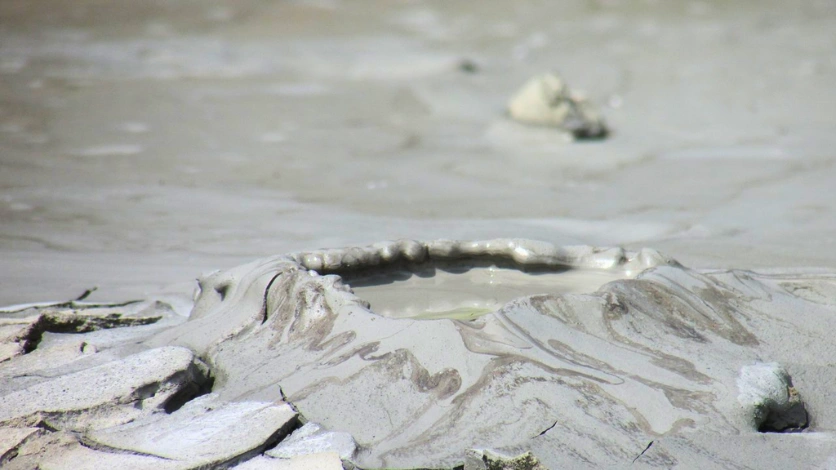
Baratang Island Travel Guides
View AllDiscover helpful guides and travel tips related to Limestone Caves.
 14 July 2025
 18 Nov 2025
 21 Jan 2026
Monsoon Food & Culture Festival 2026: What's On at ITF Ground This Week
Read More 13 Jul 2026