

Karmatang Beach near Mayabunder is one of North Andaman's quieter coastal stretches, backed by coconut groves and casuarina trees with very few visitors compared to the busier beaches further south. Beyond its calm, uncluttered setting, the beach is known as a nesting site for sea turtles, drawing a small but steady stream of nature enthusiasts during the nesting season. For anyone based in Mayabunder looking for an easy, relaxed outing, Karmatang is a straightforward and rewarding stop.
About Karmatang Beach of the Andaman Islands
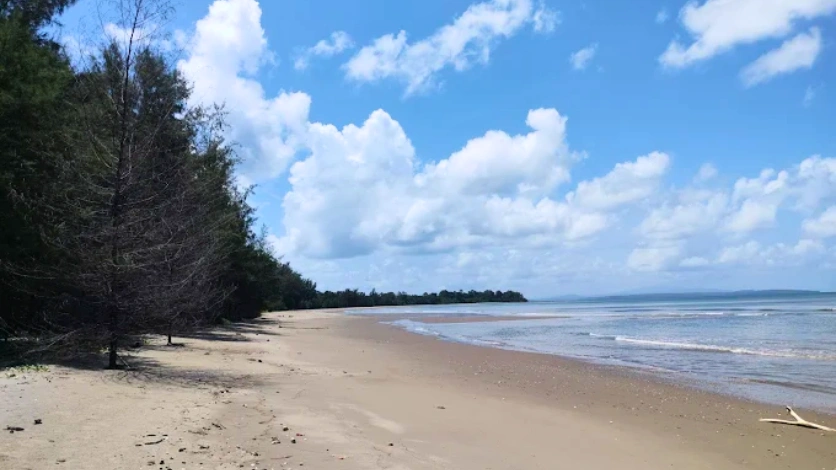
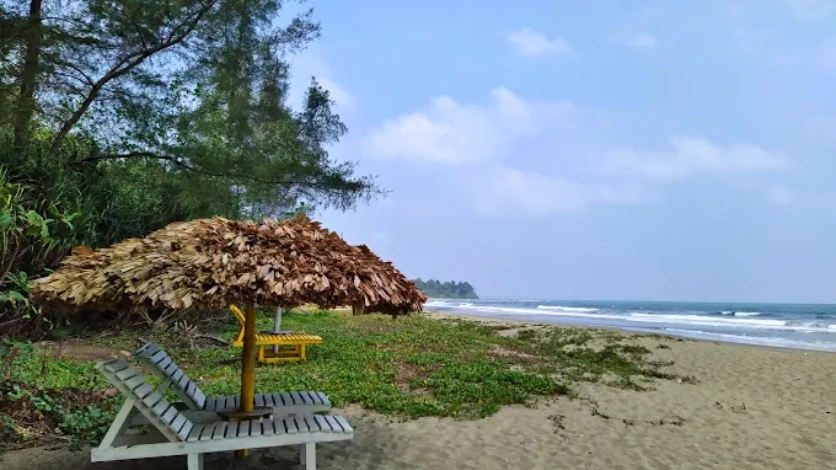
Karmatang Beach stretches along the coast roughly 13 km from Mayabunder town. The sand is wide and the shoreline gently sloping, backed by a thick line of coconut groves that give the beach a settled, natural character rather than the manicured feel of more commercial Andaman beaches.
The beach is best known among nature travellers for its sea turtle nesting activity, with olive ridley turtles among the species that come ashore here, typically between December and February. Outside of nesting season, the beach remains a calm spot for walking, reading, or simply watching the tide.
There is little in the way of built infrastructure at Karmatang. No beach shacks, no water sports counters, and no crowds. Visitors usually combine it with other stops in and around Mayabunder rather than treating it as a destination in its own right.
Quick Facts
- Karmatang Beach is a long, wide stretch of sand a short drive from Mayabunder town, backed by coconut groves and casuarina trees.
- The beach is one of the known nesting sites in the Andaman Islands for olive ridley and other sea turtle species, with nesting activity typically seen between December and February.
- Unlike the more developed beaches near Port Blair and Havelock, Karmatang sees very few visitors, making it ideal for travellers looking for a quiet stretch of sand.
- The shallow, gently sloping shoreline makes it reasonably safe for wading, though strong currents can develop further out, so swimming should be approached with caution.
- There are no organised water sports or beach shacks here. It is best suited to walking, beachcombing, birdwatching and watching the sunset.
The History of Karmatang Beach
- Mayabunder's Peaceful Coastal Escape
Karmatang Beach is one of the most scenic attractions in Mayabunder, located in North and Middle Andaman. Surrounded by lush mangrove forests and swaying coconut trees, the beach has long been known for its untouched natural beauty and peaceful atmosphere. Unlike the busier beaches of South Andaman, Karmatang offers visitors a quiet place to relax and enjoy the island's unspoiled coastline.
Over the years, Karmatang Beach has gained recognition as an important nesting site for sea turtles, particularly Olive Ridley turtles that visit the shore during the nesting season. Conservation efforts by the local forest department have helped protect this fragile ecosystem, making the beach an excellent destination for nature lovers and wildlife enthusiasts visiting the Andaman Islands.
Today, Karmatang Beach is a favourite stop for travellers exploring Mayabunder and nearby attractions. Its soft golden sand, shallow turquoise waters, and shaded picnic spots create the perfect setting for families, couples, and photographers. The calm surroundings also make it ideal for beach walks, birdwatching, and enjoying beautiful sunrise views over the Bay of Bengal.
Located around 13 kilometres from Mayabunder town, Karmatang Beach is easily accessible by road and is often included in North Andaman sightseeing tours. Whether you're looking to unwind by the sea, experience the region's rich biodiversity, or discover one of the hidden gems of the Andaman Islands, Karmatang Beach offers a memorable and refreshing coastal experience.
Plan Your Mayabunder Tour with Our Local Andaman ExpertsWhat to See on Karmatang Beach
Karmatang Beach is one of the most beautiful places to visit in Mayabunder. From its peaceful shoreline to its rich natural surroundings, you can easily spend a few relaxing hours exploring this scenic destination in the Andaman Islands.
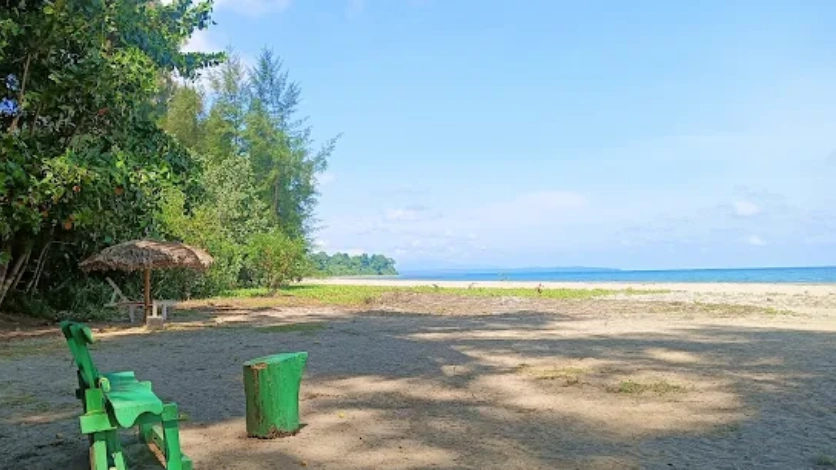
Golden Sandy Beach
Relax on Karmatang Beach's soft golden sand, enjoy calm turquoise waters, take peaceful walks, and soak in the unspoiled coastal beauty of Mayabunder.
Turtle Nesting Area
Karmatang Beach is a protected nesting site for Olive Ridley turtles, offering visitors a chance to appreciate wildlife conservation and natural biodiversity.
Mangroves and Coastal Views
Discover the coastal vistas, mangrove woods, and coconut palms that make Karmatang Beach a popular site for photographers.
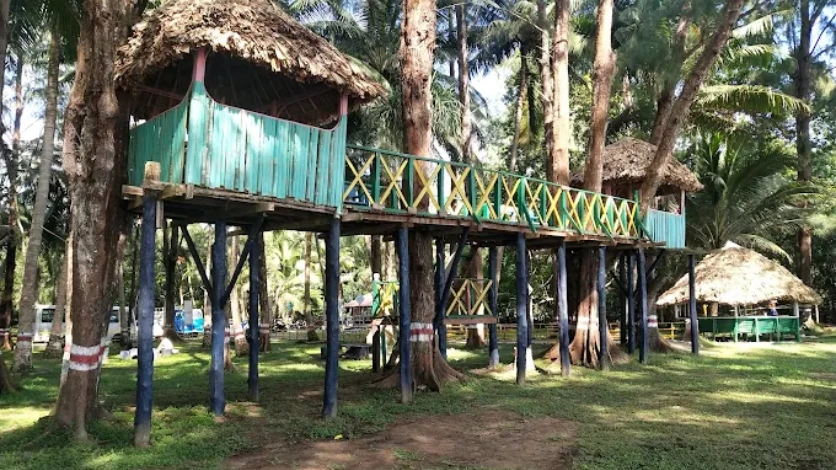
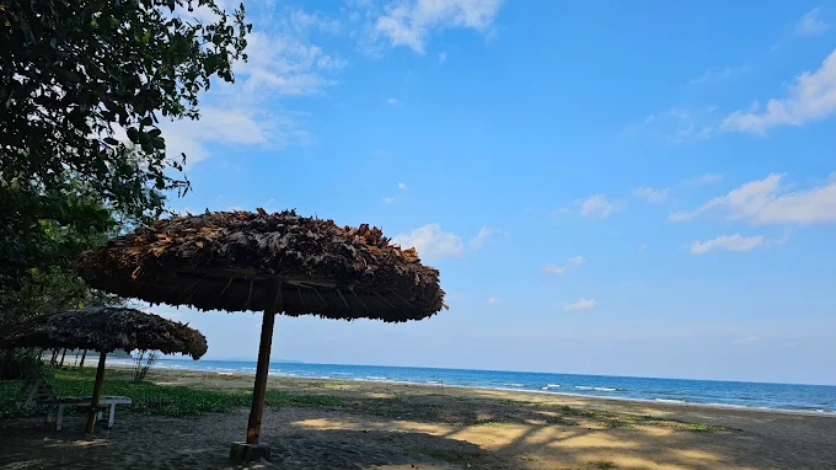
Picnic and Nature Spot
Spend a relaxing day with family or friends, enjoying shaded picnic areas, refreshing sea breezes, birdwatching, and the tranquil surroundings of Karmatang Beach.
Turtle Nesting at Karmatang
- What Visitors Should Know
Karmatang is recognised as one of the nesting beaches for sea turtles in the Andaman Islands, with olive ridley turtles among the species that come ashore to lay eggs. Nesting season generally falls between December and February, though exact timing shifts slightly from year to year.
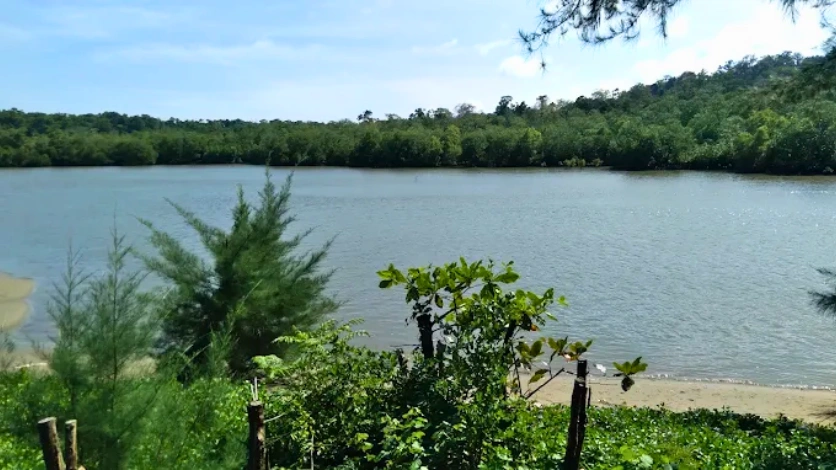
Visitors interested in observing nesting activity should check locally in Mayabunder, since access to active nesting sites is sometimes restricted by the Forest Department to protect the turtles, and night visits may require permission or a local guide.
Outside the nesting window, the beach is simply a good place to spend a quiet afternoon, with the coconut groves providing shade and a few decent vantage points for photography.
Book Your Karmatang Beach VisitTips for Visiting Karmatang Beach
- Carry your own water and snacks, as there are no beach shacks or food stalls at Karmatang.
- Be cautious while wading or swimming; currents can pick up beyond the shallow shoreline and there are no lifeguards.
- If visiting during nesting season, check locally in Mayabunder for any Forest Department guidelines or restrictions before heading to the beach at night.
- Early morning or late afternoon visits work best, both for cooler weather and better light for photography.
- Our team at AndamanVacation.com can fit Karmatang Beach into your Mayabunder itinerary alongside other stops in the area without disrupting your overall North Andaman plan.
Frequently Asked Questions
Karmatang Beach is located about 13 km from Mayabunder town in North Andaman. It is reached by road and makes for an easy half-day or evening visit if you are based in Mayabunder.
The shoreline is shallow and gently sloping near the shore, which makes wading reasonably safe, but currents can pick up further out. There are no lifeguards or safety infrastructure, so visitors should be cautious and avoid swimming far from the shore, especially during choppy conditions.
Karmatang Beach is a known nesting site for olive ridley and other sea turtles, with nesting activity typically observed between December and February. Visitors interested in this should check locally with the Forest Department or their guesthouse, since exact timing varies by year and nesting sites are sometimes restricted to protect the turtles.
Karmatang Beach has minimal facilities. There are no beach shacks, water sports operators, or organised food stalls at the beach itself, so it is best to carry your own water and snacks if you plan to spend a few hours there.
Karmatang Beach is far less crowded than the popular beaches near Port Blair or Havelock Island. It offers a quieter, more natural experience with coconut groves backing the sand, and is valued more for its peaceful setting and turtle nesting activity than for water sports or nightlife.
Yes, especially if you enjoy quiet beaches and are travelling between December and February when turtle nesting activity is more likely. It fits well as a relaxed half-day stop alongside other Mayabunder attractions without requiring extensive planning.
Include Karmatang Beach in Your Andaman Itinerary
Karmatang Beach is not a headline attraction, but it is a worthwhile, low-effort addition to a Mayabunder-based stay, especially for travellers visiting during turtle nesting season. Our team at Andaman Vacations India has been planning North Andaman itineraries for over 25 years and can work Karmatang Beach into your schedule alongside the other sights around Mayabunder.
Tell us your travel dates and group size and we will put together a North Andaman plan that covers Mayabunder, Diglipur and the surrounding sights in the right order.
More Places to Visit in Mayabunder
View All
Related Travel Guides
View AllDiscover helpful guides and travel tips related to Karmatang Beach.
 14 July 2025
 18 Nov 2025
 21 Jan 2026
Monsoon Food & Culture Festival 2026: What's On at ITF Ground This Week
Read More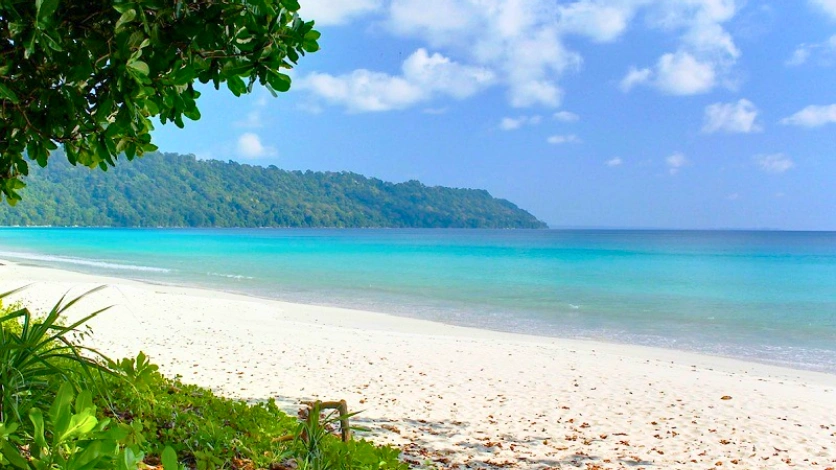 13 Jul 2026