

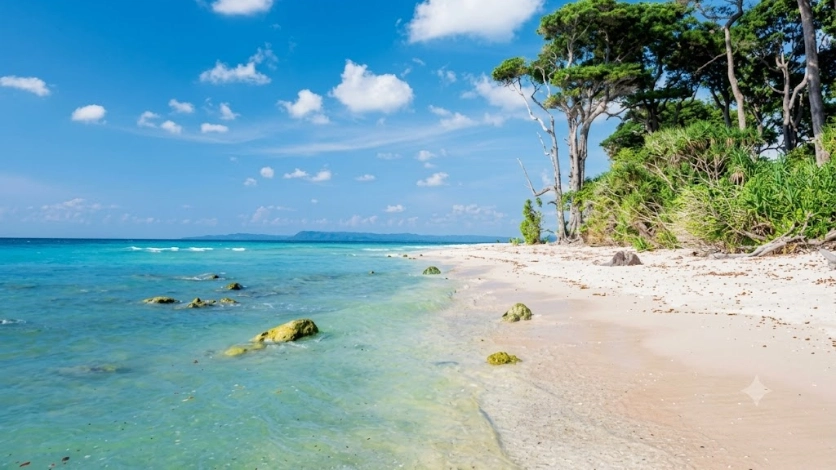
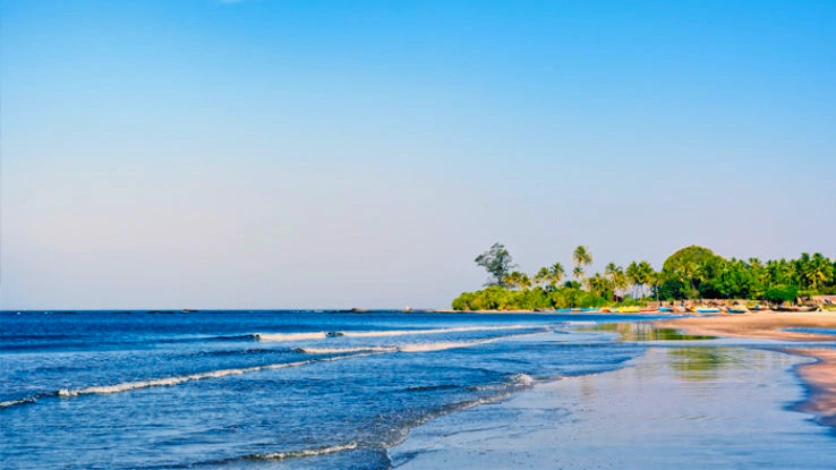
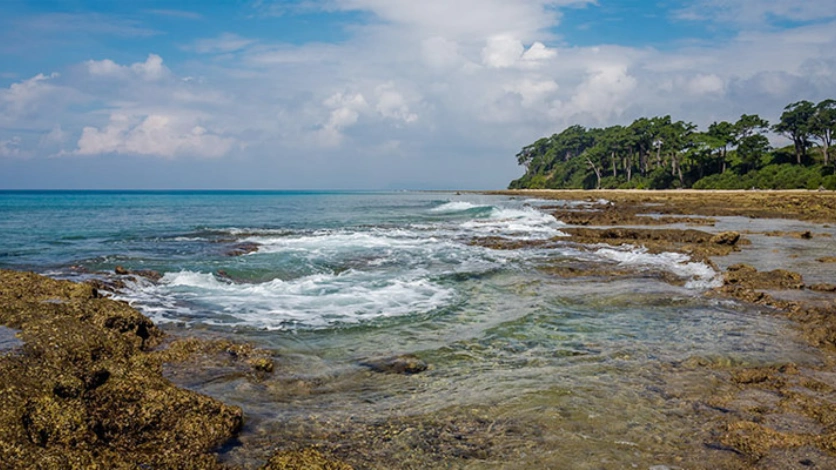
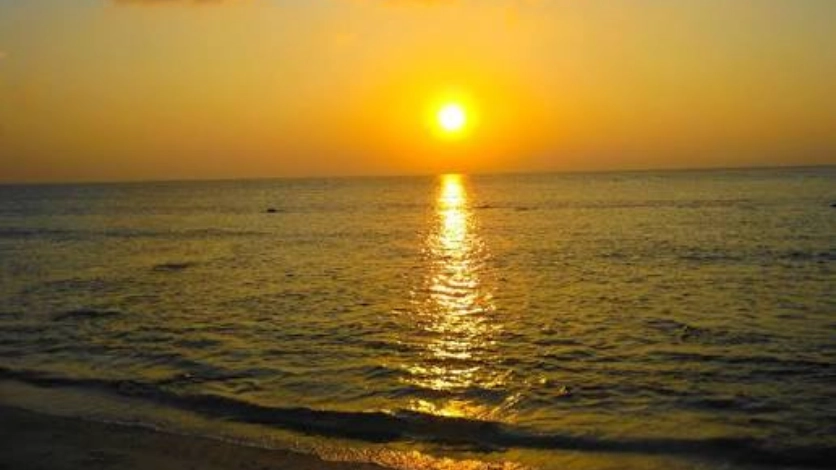
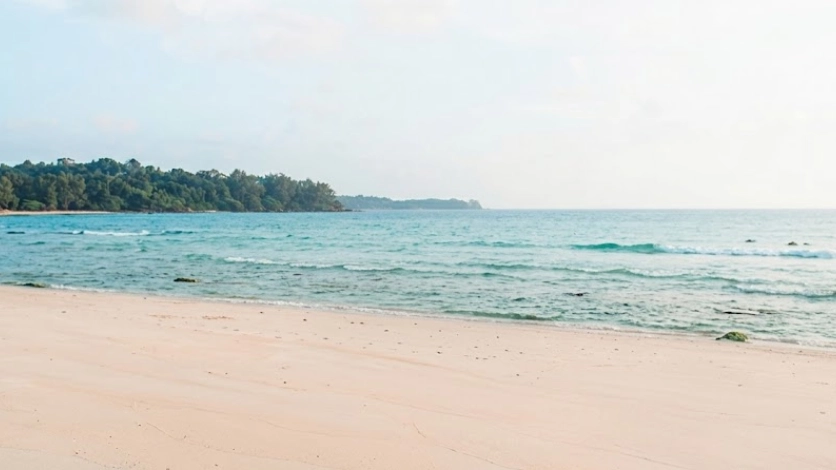
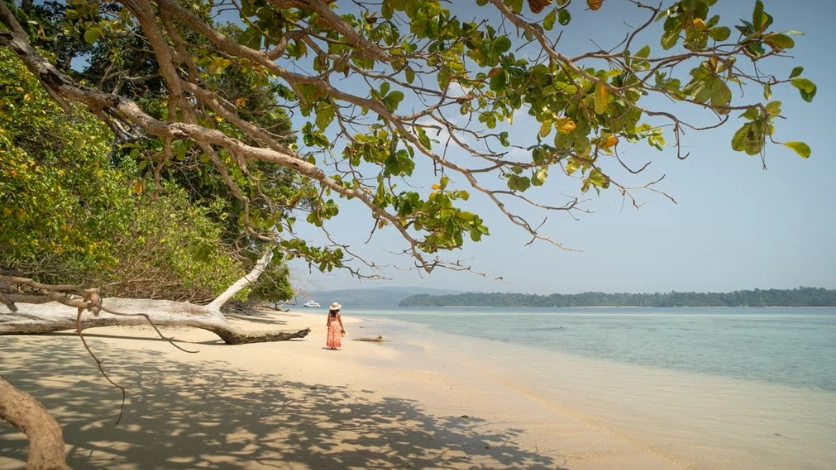
Laxmanpur Beach is the longest beach on Neil Island and the one most visitors head to in the evening. The beach faces west, which gives it an unobstructed view of the sunset over the open sea, something that is harder to find on the east-facing beaches of Havelock. The water here is shallow and sandy, without the rocks that define other Andaman beaches, which makes it easy to walk out into the sea and stand in waist-deep water watching the sky change colour. A short walk from Laxmanpur leads to Laxmanpur Beach 2, where the Natural Rock Bridge, a coral arch that emerges at low tide, is one of Neil Island's most visited natural features. Between the sunset and the rock bridge, Laxmanpur gives you two distinct reasons to be on Neil Island.
About Laxmanpur Beach of the Andaman Islands
Laxmanpur Beach sits on the western side of Neil Island, about 3 kilometres from the main jetty. The beach is wide, long, and largely flat, with a gradual slope into the sea. The seabed is sandy throughout the main swimming area, which keeps the water calm and clear even during light wind. There are no rocks or coral formations in the immediate wading zone, which distinguishes Laxmanpur from Bharatpur and makes it the more straightforward beach for swimming.
The beach is divided informally into two sections. Laxmanpur Beach 1 is the main stretch, the wide, open sandy beach where most visitors spend their time. Laxmanpur Beach 2 is a shorter, rockier section around a headland, and this is where the Natural Rock Bridge is located. The two sections are connected by a walkable path, and visiting both during a single low-tide window is manageable in under two hours.
There are no water sports operators at Laxmanpur. The beach has a small cluster of food stalls and shops near the entrance, selling coconut water, snacks, and basic beach supplies. The pace here is noticeably slower than at Bharatpur, and most people come to Laxmanpur specifically to sit, swim, and watch the sunset rather than to do organised activities.
Quick Facts
- Longest beach on Neil Island, popular for sunset views.
- West-facing shoreline with clear sunset views from Oct-May.
- Short walk leads to Natural Rock Bridge at Laxmanpur Beach 2 (low tide).
- Shallow, sandy waters suitable for wading and casual swimming.
- No water sports—ideal for walking, relaxing, and sunset watching.
The History of Laxmanpur Beach
- Sunset Gateway of Neil Island’s Natural Heritage
Neil Island's beaches were named after characters from the Ramayana, Laxmanpur, Bharatpur, and Sitapur, when the island was mapped for civilian settlement after India's independence. The naming was part of the broader administrative process applied across the Andaman Islands during that period, where many locations received names tied to Hindu mythology or Indian national figures.
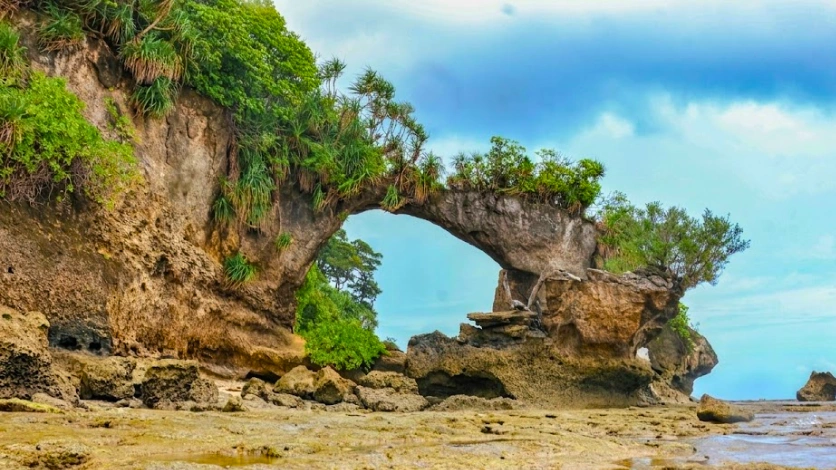
The Natural Rock Bridge at Laxmanpur Beach 2 is a coral limestone formation shaped over thousands of years by wave erosion and tidal action. It forms a low arch over a channel in the rock, and at low tide, the surrounding area drains enough to let visitors walk up to and through the formation. At high tide, the entire area is submerged and inaccessible. The formation is fragile, signs at the site ask visitors not to climb on it, and there has been some documented damage from visitors standing on the coral over the years.
Laxmanpur has remained largely undeveloped compared to equivalent beaches on Havelock. There are no beachfront resorts on the sand itself, and the infrastructure near the beach is minimal. This has kept the beach in better condition than some busier Andaman beaches, though it also means facilities are limited.
Plan Your Laxmanpur beach Tour with Our Local ExpertsWhat to See on Laxmanpur Beach
A visit to the Natural Rock Bridge is usually quick, with most travelers spending around 30–45 minutes at Laxmanpur Beach 2. The natural coral arch is the highlight, while the surrounding exposed reef at low tide offers plenty of interesting details to explore.
Natural Coral Arch
Admire the arch, shaped by centuries of wave action, one of Neil Island’s most iconic geological formations.
Exposed Coral Shelf
Walk across the coral reef during low tide and observe rock patterns, shells, and textures along the shoreline.
Tidal Pool Life
Discover small tidal pools filled with fish, crabs, sea anemones, and other marine life revealed when the tide recedes.
Photography Spot
Capture views of the rock bridge, coral formations, and turquoise waters, especially during low tide and golden hours.
Laxmanpur Beach
- Neil Island's Most Beautiful Sunset Spot
Laxmanpur Beach is one of the most scenic beaches on Neil Island (Shaheed Dweep), known for its wide stretch of white sand, calm blue waters and unforgettable sunsets. Located on the island's western coast, the beach is quieter than many other destinations in the Andaman Islands, making it an excellent place to slow down and enjoy the natural surroundings. Couples, families and photographers all find something special here.
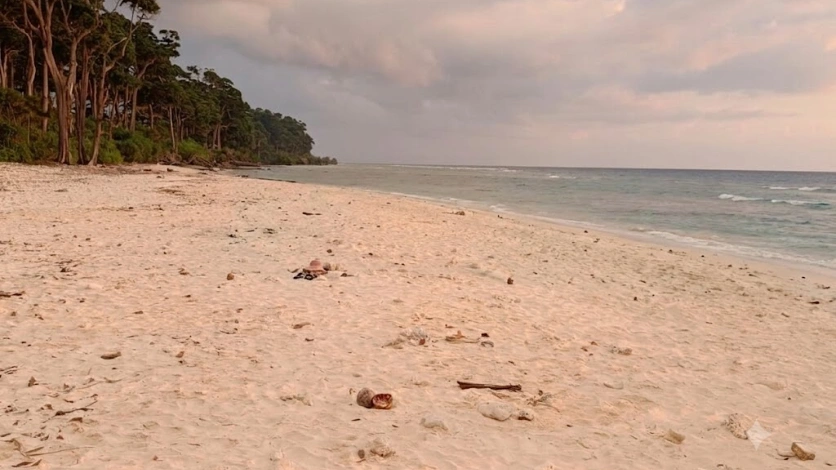
The beach is best known for its spectacular sunset views, when the sky fills with shades of orange, pink and gold over the Andaman Sea. During low tide, visitors can also walk to the famous Natural Rock Bridge nearby, a unique limestone formation shaped naturally by years of waves and tides. The peaceful shoreline and open views make this one of the most photographed locations on Neil Island.
Whether you want to take a leisurely beach walk, enjoy a quiet swim during calm weather or simply sit back and watch the sun disappear below the horizon, Laxmanpur Beach offers a relaxing escape from busy tourist spots. The best time to visit is between October and May, when pleasant weather and clear skies create ideal conditions for sightseeing and enjoying the island's natural beauty.
Book Your Laxmanpur Beach VisitTips for Visiting Laxmanpur Beach
- Check the low tide time before you go. The Natural Rock Bridge is only accessible at low tide. If you plan to see both the bridge and the sunset, confirm that the tide schedule allows for both on the same visit.
- Do not walk on or climb the Natural Rock Bridge. The formation is coral limestone and is fragile. Damage from visitors is already visible. Walk around it, not over it.
- Arrive at least 30 minutes before sunset. The beach gets busier in the final 15 minutes before sunset and the better viewing spots fill up quickly.
- Carry water. The stalls near the entrance are small and may not always have cold water in stock, particularly later in the afternoon.
- A bicycle is one of the better ways to reach Laxmanpur. It gives you flexibility on timing and the return journey does not depend on finding an auto-rickshaw after dark.
- If you are swimming, go in the morning or early afternoon. Evening swimming near sunset is harder to manage safely as visibility in the water drops quickly once the light goes.
Frequently Asked Questions
Laxmanpur Beach is best known for its sunset views, which are among the clearest on Neil Island due to the beach's west-facing orientation. It is also the starting point for reaching the Natural Rock Bridge at Laxmanpur Beach 2, which is one of Neil Island's most visited natural landmarks.
The Natural Rock Bridge is a coral and rock formation at Laxmanpur Beach 2, a short walk from the main Laxmanpur Beach. It is a naturally formed arch visible at low tide. Visitors walk across or around it during low tide. It is not accessible at high tide as the surrounding area gets submerged. Checking the tide schedule before visiting is important.
Laxmanpur Beach is approximately 3 kilometres from Neil Island's main jetty. Auto-rickshaws and bicycles are available for hire near the jetty. The ride takes around 10 minutes by auto-rickshaw.
Late afternoon, around an hour before sunset, is the best time to visit Laxmanpur Beach. The beach faces west and gets a clear sunset. October to May is the best season overall. If you also plan to visit the Natural Rock Bridge, check the low tide timing for that day and coordinate your visit accordingly.
No. Entry to Laxmanpur Beach is free and the beach is open throughout the day.
Include Laxmanpur Beach in Your Andaman Itinerary
Laxmanpur works best as the afternoon and evening half of a Neil Island day. Start at Bharatpur Beach in the morning for water sports, then head to Laxmanpur in the afternoon to visit the Natural Rock Bridge at low tide and stay for the sunset. That covers the island's two main beaches and its most visited natural feature in a single well-timed day.
Our team can put together a Neil Island itinerary with ferry timings, accommodation options, and activity scheduling, whether you are combining Neil Island with Havelock or coming directly from Port Blair.
More Places to Visit on Neil Island
View All
Neil Island Travel Guides
View AllDiscover helpful guides and travel tips related to Laxmanpur Beach.
 14 July 2025
 18 Nov 2025
 21 Jan 2026
Monsoon Food & Culture Festival 2026: What's On at ITF Ground This Week
Read More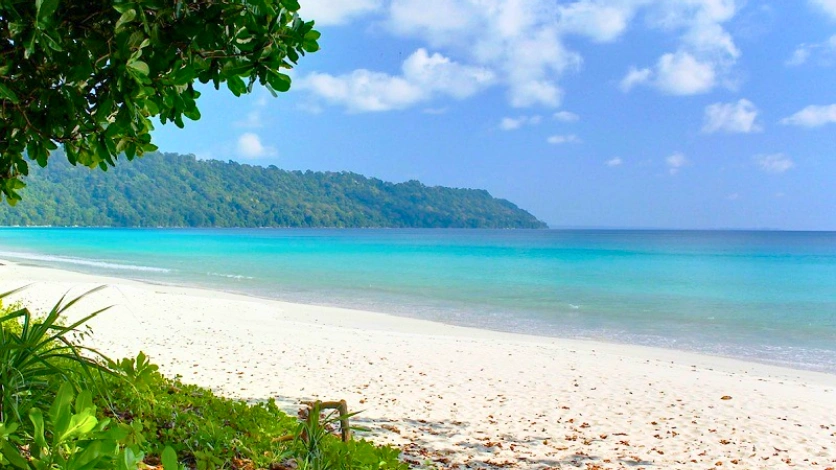 13 Jul 2026