

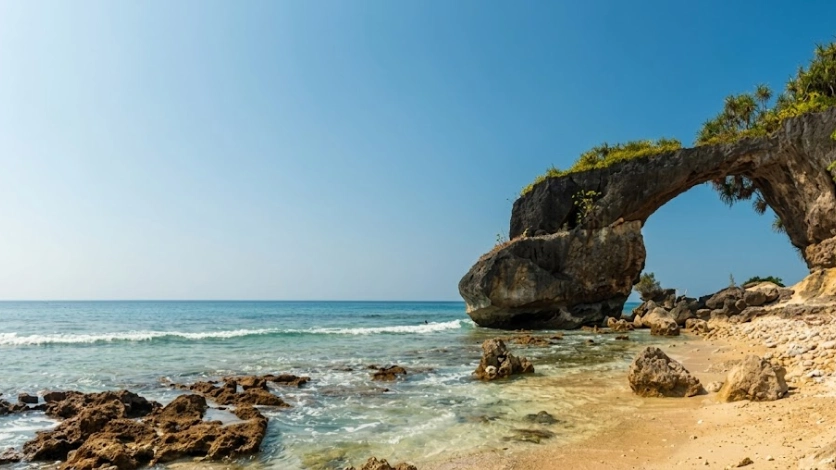
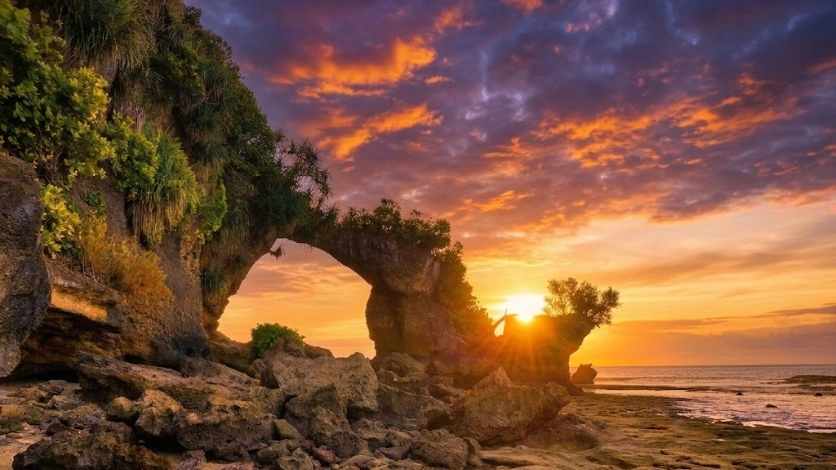
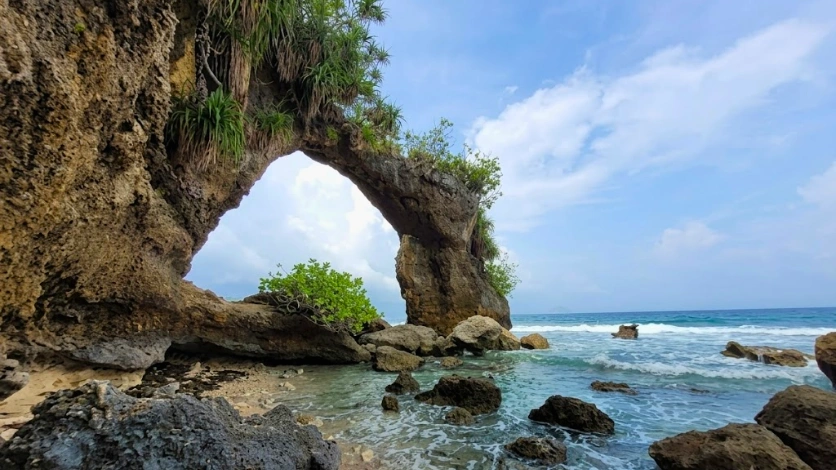
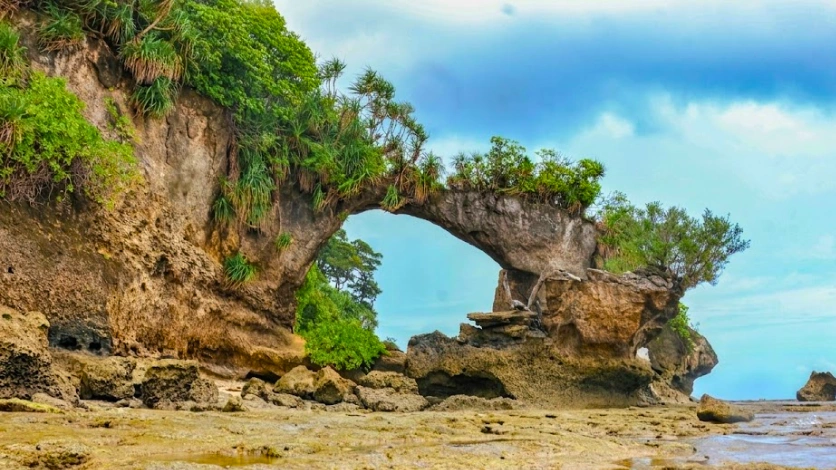
The Natural Rock Bridge on Neil Island is a coral limestone arch on the shoreline at Laxmanpur Beach 2, and it is the kind of thing that takes about two seconds to understand once you see it, a low arch of rock and coral, shaped by the sea over a very long time, sitting at the edge of the water where the tide can still reach it. It is only accessible at low tide. When the tide is in, the surrounding shelf goes under and the formation disappears. When the tide is out, you can walk up to it, look through it, and see the ocean on the other side. It does not require a guide, an entry fee, or any particular skill to visit. What it requires is checking the tide schedule the evening before and timing your trip to Laxmanpur accordingly.
About the Natural Rock Bridge of the Andaman Islands
The Natural Rock Bridge sits at Laxmanpur Beach 2, a shorter and rockier section of coastline around a headland from the main Laxmanpur Beach. From Laxmanpur Beach 1, the walk to the rock bridge takes 10 to 15 minutes along a path that runs through light vegetation before opening onto the rocky shore. The path is manageable on foot but can be slippery after rain.
The formation itself is a low arch, not a tall dramatic bridge, but a squat coral limestone structure that spans a narrow channel cut through the rock shelf by the sea. The arch is wide enough to walk under if you crouch, and the rock around it is covered in coral and encrusted marine growth where the tide regularly washes over it. At low tide, the channel beneath the arch is mostly dry or has a shallow pool of water remaining in it.
The coral shelf surrounding the bridge is exposed at low tide and extends for some distance in both directions along the shore. This shelf has its own interest, there are small pools, coral formations, and patches of marine life visible in the rock. Visitors who arrive early during low tide can spend time exploring the shelf before the tide turns and the area becomes inaccessible again.
Quick Facts
- Coral limestone arch formed by wave erosion over thousands of years.
- Accessible only during low tide; submerged at high tide.
- Free to visit, 10-15 min walk from Laxmanpur Beach 1.
- Fragile structure-no climbing or standing allowed.
- Best visited during afternoon low tide, often combined with sunset at Laxmanpur.
The History of Natural Bridge
- How the Natural Rock Bridge Was Formed
The Natural Rock Bridge is a product of coastal erosion acting on coral limestone over a long period. The Andaman Islands sit on a geologically active zone where coral reef systems have built up over millennia and been shaped by wave action, tidal movement, and changes in sea level. The formation at Laxmanpur Beach 2 is one result of this process, the sea cutting through a weaker section of the coral limestone shelf and leaving an arch standing where the harder rock held.
This type of formation is not unique to Neil Island, similar structures exist in other parts of the Andamans and across other coral island systems in the Indian Ocean, but the one at Laxmanpur Beach 2 is among the most accessible and most visited in the archipelago. Its proximity to the main beach and the relatively straightforward walk to reach it have made it a standard stop on Neil Island itineraries.
The formation has sustained some damage over the years from visitors climbing on it. Coral limestone is not as durable as it looks from a distance, the surface is porous and the biological growth on it is living coral, which is easily damaged by physical pressure. The signs at the site asking visitors not to climb are there for this reason. What is there now is what remains after a long natural process; how much longer it lasts depends partly on how it is treated by visitors.
Plan Your Natural Bridge Tour with Our Local ExpertsWhat to See on Natural Rock Bridge
The Natural Rock Bridge visit is short, most people spend 30 to 45 minutes at Laxmanpur Beach 2. The arch itself is the main feature, but the exposed coral shelf around it at low tide has enough variety to make the walk worthwhile even if you have seen the bridge before.
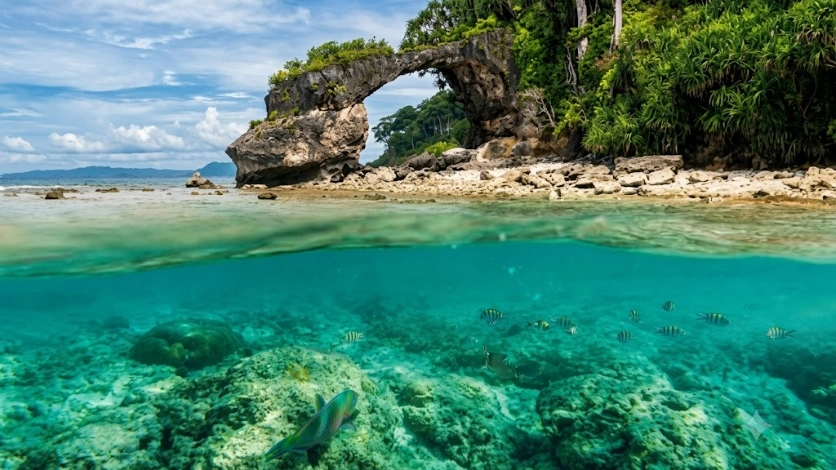
The Coral Arch
Admire the naturally formed coral arch, a remarkable limestone structure shaped by waves over centuries and one of Neil Island's most iconic attractions.
Coral Shelf Exploration
Explore the exposed coral shelf during low tide, discovering unique rock formations, colourful corals, shells, and fascinating marine life along the shoreline.
Tidal Pool Life
Observe clear tidal pools filled with tiny fish, crabs, sea anemones, starfish, and other marine creatures revealed when the tide recedes naturally.
Photography
Capture photographs of the natural rock bridge, coral formations, turquoise waters, and coastal scenery, especially during low tide.
Visiting the Natural Rock Bridge, Tides, Timing and What to Expect
The single most important thing about visiting the Natural Rock Bridge is the tide. The formation sits on a reef shelf that gets submerged at high tide. When the tide is in, you can see the approximate location of the bridge from the beach but you cannot reach it safely. The window for access opens roughly 1.5 to 2 hours before low tide and closes again as the tide returns. Checking the low tide time for your visit date is not optional, it determines whether the trip is possible at all.
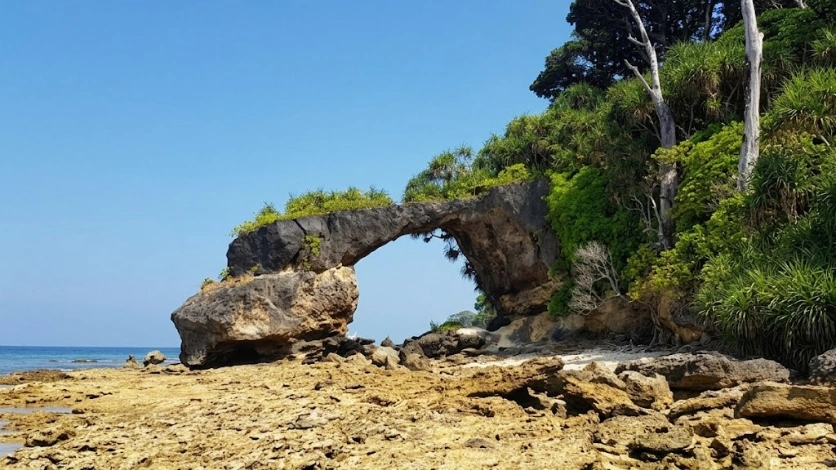
The most practical itinerary for the Natural Rock Bridge combines it with Laxmanpur Beach on the same afternoon. If the day's low tide falls between 3 PM and 5 PM, you can walk to Laxmanpur Beach 2 during the low tide window and return to Laxmanpur Beach 1 in time for the sunset. This is the standard approach for most visitors on Neil Island and works well when the tide cooperates.
On days when low tide is in the morning, the Rock Bridge visit works better as a standalone trip before heading to Bharatpur for water sports. On days when low tide is late evening, access is difficult due to low light. The tide schedule rarely aligns perfectly with every plan, so a degree of flexibility on which day you visit helps.
Book Your Natural Bridge VisitTips for Visiting the Natural Rock Bridge
- Check the low tide time the evening before your visit. This is the one thing that makes or breaks the trip. Your accommodation can provide the tide schedule or you can check via a tide app using Neil Island or Port Blair as the reference point.
- Do not climb on or stand on the arch. The Natural Rock Bridge is a coral limestone formation with living marine growth on its surface. Physical contact and weight cause damage that cannot be reversed. Walk around it and observe it from a short distance.
- Wear closed shoes or sandals with grip. The coral shelf around the bridge is uneven, sharp in places, and wet near the water. Flip-flops are not suitable for walking on the exposed reef.
- Leave yourself enough time to walk back to Laxmanpur Beach 1 before the tide turns. The path from the beach to the rock bridge takes 10 to 15 minutes in each direction. If you arrive at the start of the low tide window, you have a comfortable 2 to 3 hours before conditions change.
- Carry water. The walk from Laxmanpur Beach 1 to the Rock Bridge has no facilities and the afternoon sun on the exposed reef shelf is strong. Small stalls near Laxmanpur Beach entrance may have water but do not rely on it.
- Avoid visiting during the monsoon (June to September). Sea conditions are rough, the reef shelf is dangerous near the waterline during this period, and access to the bridge may not be possible even at low tide.
Frequently Asked Questions
The Natural Rock Bridge is a coral limestone arch formation on the shoreline at Laxmanpur Beach 2, Neil Island. It was formed over thousands of years by wave erosion cutting through the rock and coral shelf along the coast. The arch spans a short channel in the rock and is one of the most visited natural landmarks in the Andaman Islands.
The Natural Rock Bridge is only accessible at low tide. At high tide, the surrounding area is submerged and the formation cannot be safely reached. The tide schedule varies daily, so check the low tide time for your specific visit date. Your accommodation on Neil Island can provide the tide chart, or you can use a tide app. The window around low tide, roughly one to two hours on either side, is when access is safest.
From the Neil Island jetty, take an auto-rickshaw or scooter to Laxmanpur Beach, which is approximately 3 kilometres away. From Laxmanpur Beach 1, the Natural Rock Bridge at Laxmanpur Beach 2 is a 10 to 15 minute walk along the shoreline path. Total travel time from the jetty is around 20 to 25 minutes.
No. Climbing on or standing on the Natural Rock Bridge is not permitted and causes direct damage to the coral limestone structure. Signs at the site ask visitors to observe the formation without touching or climbing on it. The arch is fragile and has already sustained some damage from visitors ignoring this.
No. The Natural Rock Bridge is free to visit. There is no entry fee or ticket required.
Include the Natural Rock Bridge in Your Neil Island Itinerary
The Natural Rock Bridge is a 30 to 45 minute stop that fits naturally into an afternoon at Laxmanpur Beach. Most visitors combine it with the sunset on the same trip, which makes it an efficient use of time on what is typically a 1 to 2 day island stay. It does not require a guide, a permit, or any special equipment, just the right tide window and appropriate footwear.
Our team can help you build a Neil Island itinerary that sequences the Rock Bridge visit around the daily tide schedule and pairs it with the other beaches on the island, whether you have a full day or are combining Neil Island with a Havelock stay.
More Places to Visit on Neil Island
View All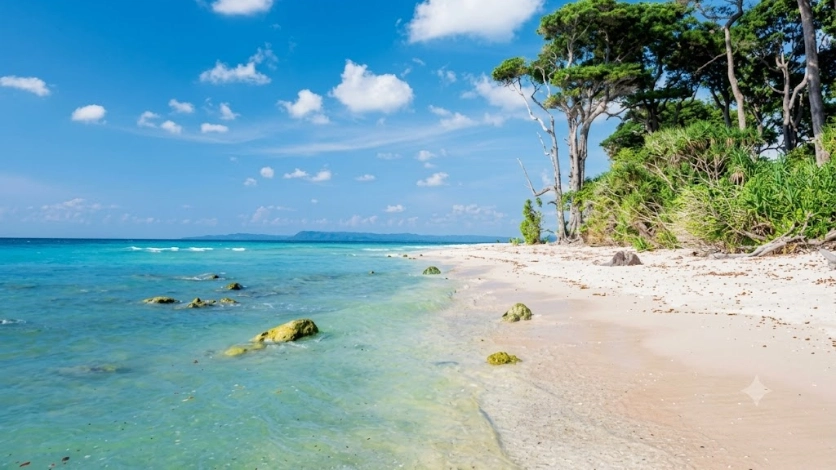
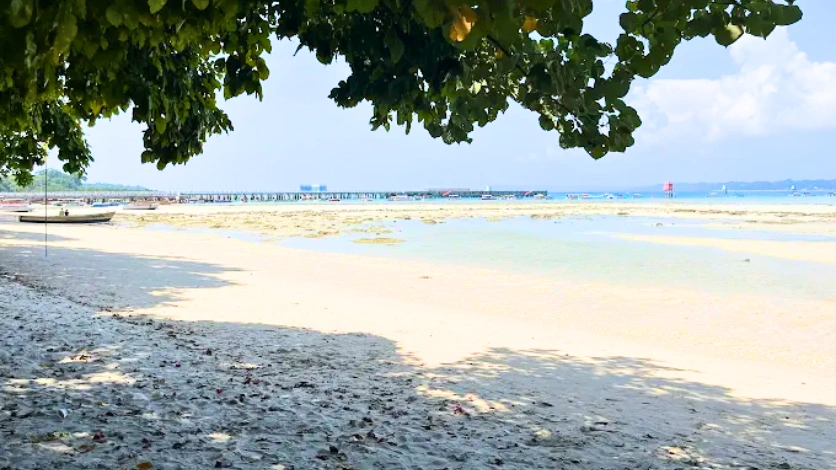
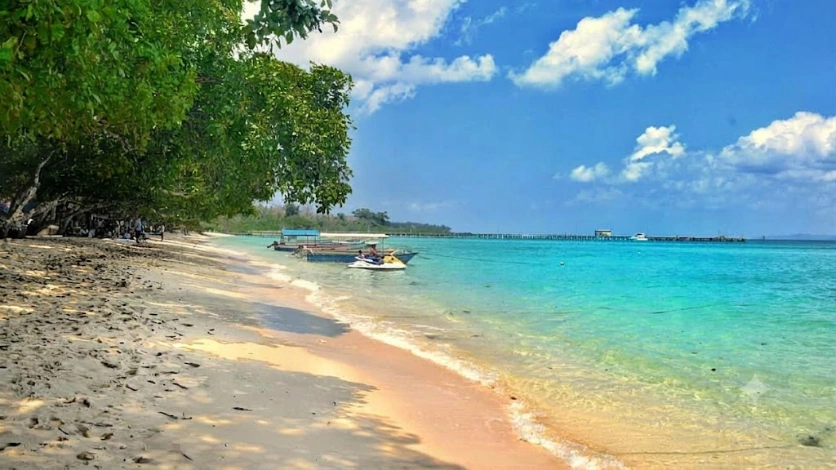
Neil Island Travel Guides
View AllDiscover helpful guides and travel tips related to Natural Bridge.
 14 July 2025
 18 Nov 2025
 21 Jan 2026
Monsoon Food & Culture Festival 2026: What's On at ITF Ground This Week
Read More 13 Jul 2026