

The Andaman Islands' blue oceans, coral reefs, and the breathtaking quiet of their unspoiled landscapes are the main draws for tourists. However, there is much more to this natural beauty. For tens of thousands of years, people have lived on the Andaman and Nicobar Islands. These islands were and in some places still are the home of some of the oldest surviving indigenous cultures on Earth, long before colonial ships arrived on these beaches and far before tourism ever existed. Their existence is an ongoing aspect of the islands' living legacy rather than a relic from the past.
About the Anthropological Museum of the Andaman Islands
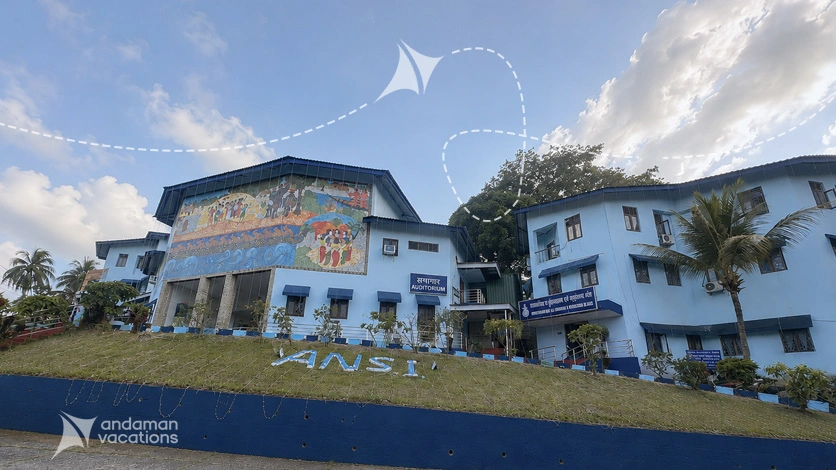
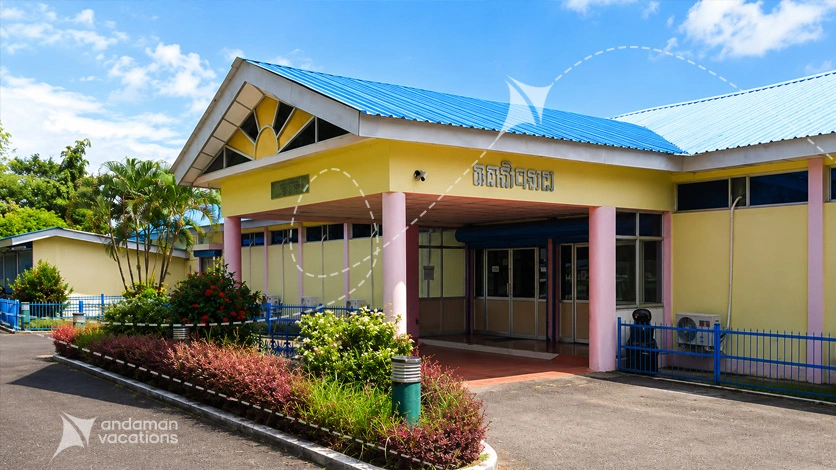
The Anthropological Museum is located on M.G. Road in the heart of Port Blair, a short distance from the main market area and easily accessible from most hotels in the city. Established and managed by the Anthropological Survey of India, this is the only museum in the country dedicated entirely to documenting the indigenous tribal communities of the Andaman and Nicobar Islands.
The museum is not large in physical size but it is extraordinarily rich in content. Its collections span tools, weapons, ornaments, household objects, musical instruments and clothing gathered from six distinct tribal communities across the Andaman and Nicobar island groups. Alongside the physical artefacts, the museum houses a remarkable archive of photographs documenting these communities over many decades, images that in some cases represent the only visual record of ways of life that have since changed dramatically or disappeared entirely.
Entry is completely free. The museum is compact enough to cover thoroughly in about 90 minutes and is best visited in the morning when the light is good and the crowds are thin. It is one of the most genuinely educational experiences available anywhere in Port Blair and costs you nothing but time.
We include a visit to the Anthropological Museum in every Port Blair itinerary we design at AndamanVacation.com. Understanding who these islands belong to, the people who have lived here for thousands of years, adds a depth to the rest of your Andaman trip that you simply cannot get from a guidebook.
Quick Facts
- Anthropological Museum in Port Blair is dedicated to the indigenous tribes of the Andaman and Nicobar Islands.
- Showcases tribal communities including Jarawa, Onge, Great Andamanese, Shompen, Nicobarese, and Sentinelese.
- Features rare photographs, artifacts, tools, weapons, and cultural exhibits from island tribes.
- Provides insight into some of the world’s most isolated indigenous populations, including the Sentinelese.
- One of the few free museums in Port Blair offering a cultural and historical overview of the islands.
The History of Anthropological Museum
- Preserving Andaman's Indigenous Heritage
Established in 1975 in Port Blair, the Anthropological Museum was created to document and preserve the unique cultures of the indigenous tribes of the Andaman and Nicobar Islands. It remains one of the most important cultural institutions in the region, offering visitors a deeper understanding of the islands' original inhabitants.
The museum was developed under the Anthropological Survey of India to showcase the traditions, lifestyles and history of tribal communities including the Great Andamanese, Jarawa, Onge, Sentinelese, Nicobarese and Shompen. Its collections help preserve valuable knowledge about cultures that have lived in these islands for thousands of years.
Over the decades, the museum has assembled an extensive collection of tribal artefacts, photographs, models, tools, hunting equipment and traditional crafts. These exhibits provide rare insights into the social customs, survival skills and cultural practices of the indigenous communities of the Andaman and Nicobar Islands.
Today, the Anthropological Museum is one of the most visited attractions in Port Blair. It serves as an educational and cultural centre where travellers, students and researchers can learn about the rich heritage and diverse tribal traditions that form an important part of the islands' history.
Explore the Anthropological Museum with Our Local ExpertsWhat to See Inside on Anthropological Museum
A well-paced visit takes between 1 and 1.5 hours. Here is what to pay particular attention to as you move through the exhibits.
Tribal Artefacts and Tools
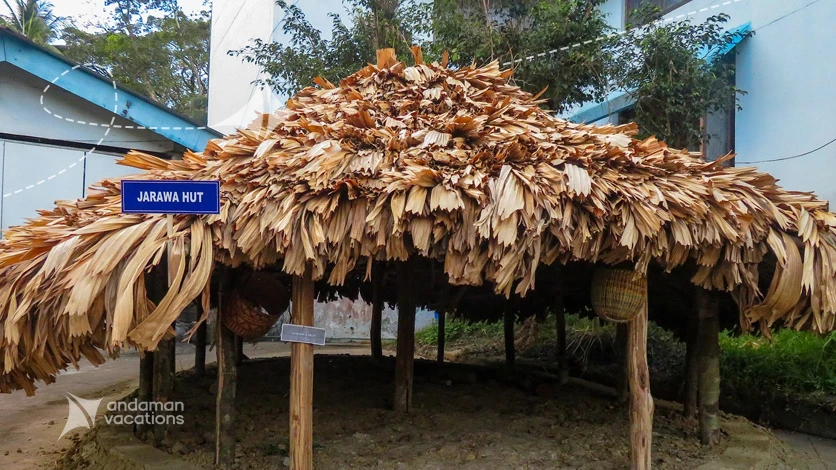
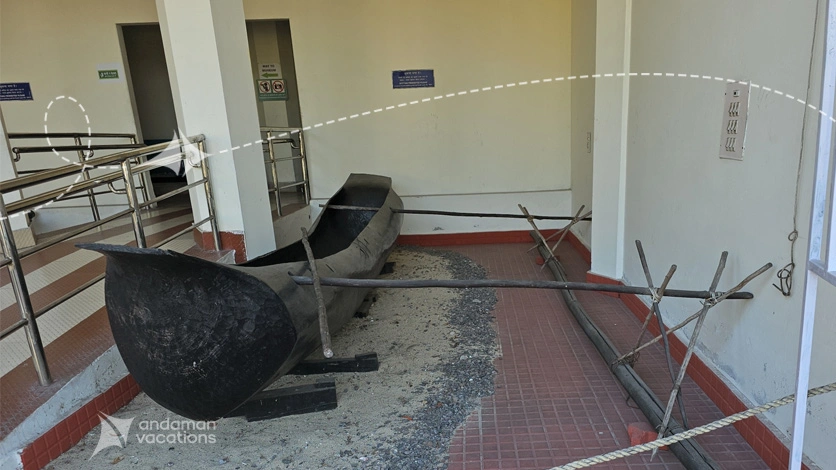
Explore traditional tools, hunting equipment, canoes and ornaments used by Andaman tribes, offering insights into their culture and daily life.
Rare Photographic Archive
View historical photographs documenting Andaman tribal communities, preserving cultural traditions, lifestyles and moments across generations.
Tribal Lifestyle Displays
Life-size models and village scenes help visitors understand traditional tribal housing, customs, occupations and daily life in an engaging way.
Library & Documentation
Access publications, research materials and records that provide deeper knowledge of Andaman tribes’ history, culture and heritage.
The Sentinelese and Other Isolated Tribes
- What the Museum Tells You
The Sentinelese of North Sentinel Island have attracted international attention in recent years for their fierce resistance to any outside contact. They are one of the last truly uncontacted peoples on earth and the Indian government has a strict policy of non-interference with their island. The Anthropological Museum documents what is known about their culture and history through the limited evidence available, and presents that information with appropriate care and respect.
The Jarawa tribe is another community that draws considerable curiosity from visitors. After decades of hostile resistance to contact, the Jarawa began limited interactions with the outside world in the late 1990s and early 2000s. They continue to live within a protected tribal reserve in South and Middle Andaman and contact with them remains heavily regulated. The museum's section on the Jarawa covers their history and current status honestly without sensationalising either.
Visiting the Anthropological Museum before driving past the Jarawa reserve, as many Andaman itineraries do on the way to Baratang Island, gives you a context and a respect for what you are seeing that most travellers simply do not have when they make that journey. We always recommend this sequence to our guests.
Plan Your Anthropological Museum VisitTips for Visiting the Anthropological Museum
- Visit on a weekday morning when the museum is quietest. The small gallery spaces can feel crowded when tour groups arrive and the exhibits reward slow, unhurried attention.
- Read the information panels carefully. The exhibit labels and accompanying text are well-written and genuinely informative. Rushing through and just looking at the objects misses most of what the museum has to offer.
- Photography is permitted inside the museum but flash photography is not allowed. Keep this in mind if you are planning to photograph the exhibits or the photographic archive.
- Combine your museum visit with the Samudrika Naval Marine Museum on the same day. Both are within easy distance of each other in central Port Blair and together they cover the natural and human history of the islands comprehensively.
- The museum is free of charge, centrally located and takes under two hours. There is genuinely no reason not to include it in your Port Blair sightseeing day.
- Our team at AndamanVacation.com includes the Anthropological Museum in every Port Blair city tour we arrange. We schedule it as a morning visit before the Cellular Jail, which means by the time you reach the jail you already carry a richer understanding of the full human history of these islands.
Frequently Asked Questions
The Anthropological Museum is open from 9:00 AM to 1:00 PM and again from 2:00 PM to 5:00 PM, Tuesday through Saturday. The museum is closed on Sundays and national holidays.
No. Entry to the Anthropological Museum in Port Blair is completely free of charge for all visitors, both Indian and foreign.
The museum covers six indigenous tribal communities of the Andaman and Nicobar Islands: the Jarawa, Onge, Sentinelese and Great Andamanese of the Andaman group, and the Shompen and Nicobarese of the Nicobar group. Each community has its own dedicated section with artefacts, photographs and documentation.
A thorough visit to the Anthropological Museum takes approximately 1 to 1.5 hours. The museum is compact but dense with information. Taking time to read the exhibits and understand the context of each tribal community makes the visit significantly more rewarding.
Absolutely. The Anthropological Museum offers context that enriches your entire Andaman experience. Understanding who the original inhabitants of these islands are, how they have lived for thousands of years and what challenges they face today adds a dimension to your visit that no beach or boat trip can provide. It is also free, centrally located and takes less than two hours.
Include the Anthropological Museum in Your Port Blair Itinerary
The Anthropological Museum is one of those places that quietly becomes one of the most memorable parts of an Andaman trip for visitors who take the time to engage with it properly. Our team at Andaman Vacations India has been guiding travellers through Port Blair for over 25 years and we have yet to meet a guest who regretted spending a morning here. It is free, it is fascinating and it puts everything else you see in Andaman into a context that makes the whole trip more meaningful.
Tell us your travel dates and we will build a Port Blair itinerary that weaves together the Anthropological Museum, Cellular Jail, Samudrika Naval Marine Museum and the city's other key landmarks into a single well-paced sightseeing day.
More Places to Visit in Port Blair
View All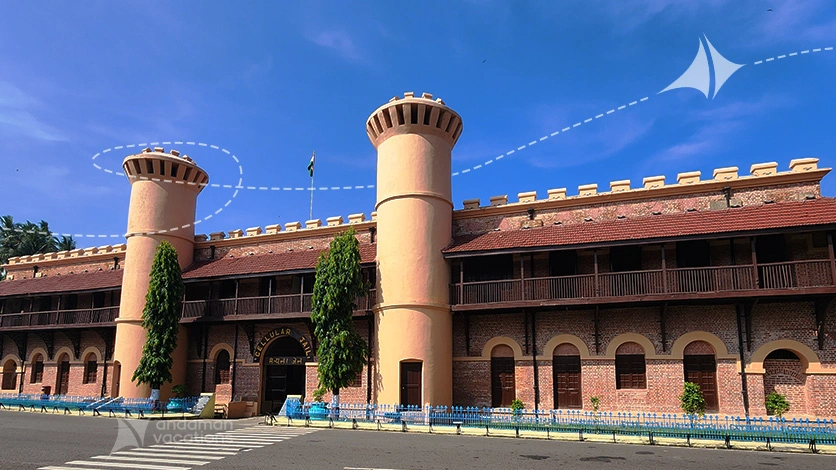
Related Travel Guides
View AllDiscover helpful guides and travel tips related to Anthropological Museum.
 14 July 2025
 18 Nov 2025
 21 Jan 2026
Events & Festivals
Monsoon Food & Culture Festival 2026: What's On at ITF Ground This Week
Read More 13 Jul 2026