

Most visitors to Andaman come for the sea but leave knowing remarkably little about what actually lives in it. The Fisheries Museum in Port Blair sets that right. Tucked near Haddo Wharf and free to enter, this quietly impressive little museum brings together over 350 preserved specimens of the marine life that inhabits the waters of the Andaman and Nicobar Islands, from the instantly recognisable reef fish you will see while snorkelling to bizarre deep-sea creatures that almost nobody encounters in the wild. It takes under an hour to visit, costs nothing and gives you a genuinely different way of looking at the ocean for the rest of your trip.
About the Fisheries Museum of the Andaman Islands
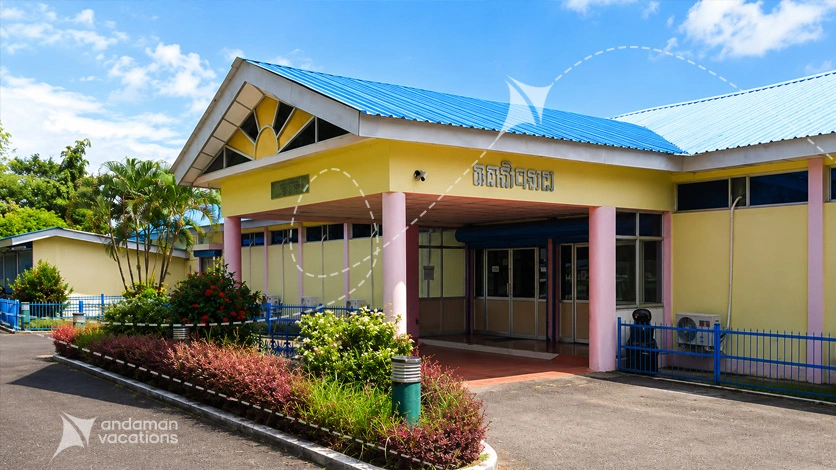
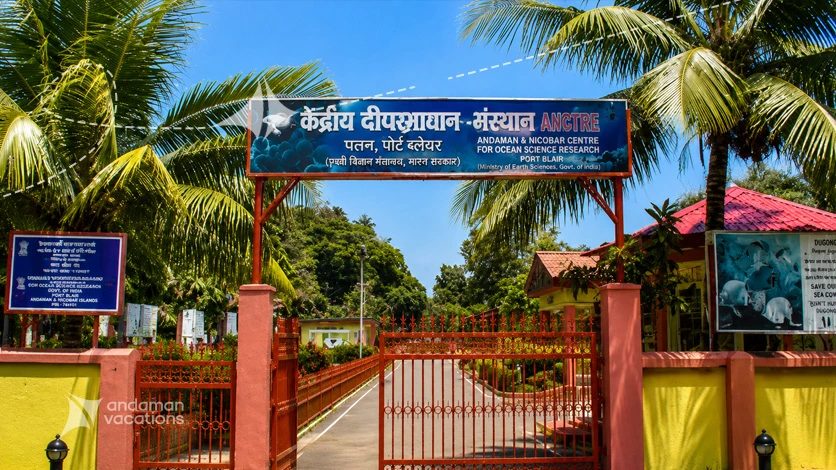
The Fisheries Museum is located near Haddo Wharf in Port Blair, managed by the Fisheries Department of the Andaman and Nicobar Islands administration. It is one of the less-publicised museums in the city but among the most consistently interesting for visitors who take the time to find it.
The museum was established to document and display the extraordinary marine biodiversity of the Andaman Sea, one of the richest and most biologically diverse ocean environments in Asia. The Andaman and Nicobar Islands sit at the meeting point of the Bay of Bengal and the Andaman Sea, surrounded by warm, nutrient-rich waters that support an astonishing variety of fish, crustaceans, molluscs, echinoderms and other marine organisms. The Fisheries Museum is where a significant portion of that diversity has been catalogued, preserved and put on display.
Beyond the specimens themselves, the museum also documents the fishing heritage of the Andaman Islands, the traditional methods, the equipment, the seasonal patterns and the role that fishing has played in feeding and sustaining the island communities for generations. This human dimension of the exhibits gives the museum a context that pure natural history displays sometimes lack.
Entry is completely free. The museum is compact and well-organised and takes less than an hour to cover at a comfortable pace. It sits naturally alongside a visit to the Samudrika Naval Marine Museum , the two together form the most complete picture of Andaman's ocean life available anywhere in Port Blair.
Quick Facts
- Dedicated museum on marine life & fishing of Andaman & Nicobar Islands.
- Displays 350+ preserved marine species from local waters.
- Showcases rare deep-sea fish rarely seen at the surface.
- Exhibits traditional fishing tools used by island communities.
- Free entry, simple and underrated stop in Port Blair.
The History of Fisheries Museum
- A Journey Through the Island’s Marine Heritage
The Andaman Sea is considered one of the most biodiverse marine environments in the world. Its position at the junction of two major oceanic bodies, its warm shallow coastal shelves, its extensive coral reef systems and its relative isolation have together created conditions where marine life has evolved and thrived with remarkable variety and abundance.
The reef fish alone number in the hundreds of species. Add to that the open-water pelagic fish, the bottom-dwelling species of the deep channels between islands, the crustaceans of the mangrove systems, the molluscs of the intertidal zones and the deep-sea fauna of the ocean trenches nearby and you begin to understand why the Fisheries Museum needs over 350 specimens just to cover the basics.
Several species on display at the museum are endemic to the Andaman and Nicobar Islands, found nowhere else in the ocean. Others are species that are well-known globally but rarely seen in the numbers and health they enjoy in Andaman waters, precisely because the islands' remote location and protected status have kept fishing pressure lower than in most other parts of the Indian Ocean.
Understanding this context before you head out to snorkel or dive makes the underwater experience significantly richer. You stop seeing a colourful blur and start seeing individual species, recognising behaviours and appreciating the ecological relationships that play out on every reef you visit.
Plan Your Port Blair Sightseeing Day with Our Local ExpertsWhat to See Inside on Fisheries Museum
The museum covers a lot of ground in a compact space. Here is what to give your attention to as you move through the exhibits.
Marine & Fish Specimens
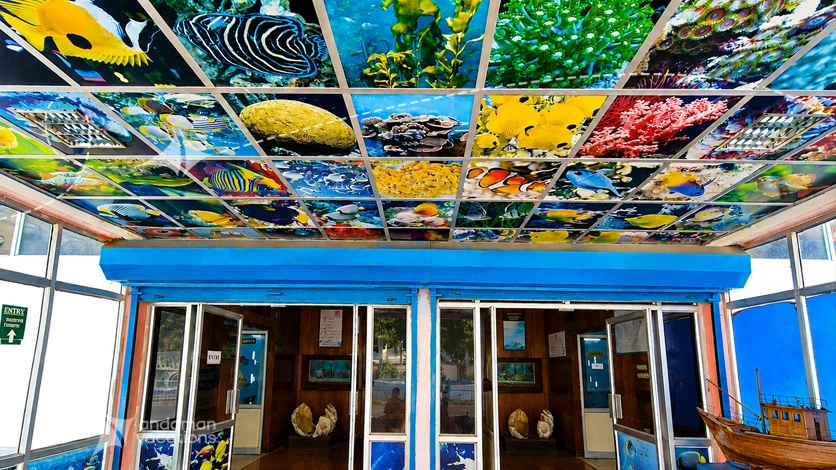
Explore over 350 preserved marine specimens, including reef fish, sharks, turtles, each carefully labelled to showcase Andaman's remarkable underwater biodiversity.
Deep-Sea Species Display
Discover fascinating deep-sea creatures with unusual shapes, unique adaptations and rare features, offering visitors an exciting glimpse into Andaman's mysterious underwater world.
Traditional Fishing Heritage
Learn about Andaman's traditional fishing heritage through authentic nets, boats, traps and tools that highlight generations of coastal communities living alongside the sea.
Shells and Coral Specimens
Admire colourful shells and coral specimens collected across the Andaman Islands, revealing the beauty, diversity and ecological importance of thriving marine reef ecosystems.
Fisheries Museum and Samudrika Museum
- Port Blair's Complete Marine Day
Port Blair has two museums that together give you the most thorough understanding of Andaman's marine world available anywhere in the islands. The Samudrika Naval Marine Museum at Haddo covers the broader natural history of the Andaman Sea including its geology, ecology and tribal communities. The Fisheries Museum goes deeper into the specific marine species of the region, the fish, the invertebrates and the human fishing heritage that connects the islands to the ocean.
Both museums are free or very affordable, both are compact enough to cover in under two hours each and both are located in the Haddo area of Port Blair making them practical to combine on a single morning. Visiting them back to back before heading to Jolly Buoy Island or planning your Havelock snorkelling trip gives you a level of preparation that most Andaman visitors simply do not have when they enter the water.
Our team at AndamanVacation.com often schedules the Fisheries Museum and Samudrika together as a morning Port Blair museum run before lunch, leaving the afternoon free for the Cellular Jail visit and the evening Light and Sound Show. It is a full, varied and genuinely enriching day in the capital.
Book Your Fisheries Museum VisitTips for Visiting the Fisheries Museum Port Blair
- The museum is closed on Sundays and national holidays. Check the day before you plan your visit and adjust your Port Blair sightseeing schedule accordingly.
- Visit in the morning when the galleries are quietest. The museum does not attract the large tour groups that Cellular Jail does, so crowding is rarely an issue, but a morning visit gives you the best light for viewing the specimens.
- Pair your visit with the Samudrika Naval Marine Museum on the same day. Both are near Haddo and together they give you a remarkably complete picture of Andaman's marine biodiversity in a single morning.
- Read the specimen labels carefully. The scientific names may mean little to you now but the common names and habitat descriptions will help you identify what you see when you are snorkelling at Jolly Buoy, Havelock or Neil Island later in your trip.
- Do not miss the deep-sea specimens section. It is easy to spend most of your time with the familiar reef fish and move quickly past the deep-sea displays. Slow down here. These are creatures most people never get to see even indirectly and they are genuinely extraordinary.
- Our team at AndamanVacation.com includes the Fisheries Museum as part of our Port Blair city tour for guests who want a thorough cultural and natural history day in the capital before heading to the outer islands. We handle all the transport and timing so the day flows smoothly from one stop to the next.
Frequently Asked Questions
The Fisheries Museum is open from 9:00 AM to 1:00 PM and from 2:00 PM to 5:00 PM, Monday through Saturday. The museum is closed on Sundays and national holidays.
No. Entry to the Fisheries Museum is completely free of charge for all visitors. It is one of the most affordable and genuinely interesting cultural stops in Port Blair.
The museum houses over 350 preserved specimens of fish, crustaceans, molluscs, sea turtles and deep-sea creatures found in Andaman waters. It also covers traditional fishing methods, fishing equipment and the broader role of the fishing industry in the economic life of the islands.
A comfortable visit covering all the exhibits takes approximately 45 minutes to 1 hour. It is a compact museum but the specimens and exhibits are genuinely interesting, particularly if you are planning to snorkel or dive during your Andaman trip.
Yes, particularly if you plan to spend time in the water during your Andaman trip. The museum gives you a clear picture of the extraordinary marine biodiversity of the Andaman Sea, including many species you are likely to encounter while snorkelling. It is free, compact and pairs well with the Samudrika Naval Marine Museum on the same day for a thorough understanding of Andaman's ocean life.
Include Fisheries Museum in Your Andaman Itinerary
The Fisheries Museum is one of those places that most first-time Andaman visitors skip because they have not heard of it, and one of those places that visitors who do go almost always wish they had known about sooner. It is free, it is close to other central Port Blair attractions and it changes the way you look at the Andaman Sea for the rest of your trip. Our team at Andaman Vacations India has been building it into Port Blair itineraries for guests who want more than the standard sightseeing circuit for over 25 years.
Tell us your travel dates and we will put together a Port Blair sightseeing day that includes the Fisheries Museum, Samudrika, the Anthropological Museum and the Cellular Jail, a complete day that covers the natural history, human history and living heritage of the Andaman Islands from every angle.
More Places to Visit in Port Blair
View All
Related Travel Guides
View AllDiscover helpful guides and travel tips related to Fisheries Museum.
 14 July 2025
 18 Nov 2025
 21 Jan 2026
Monsoon Food & Culture Festival 2026: What's On at ITF Ground This Week
Read More 13 Jul 2026