

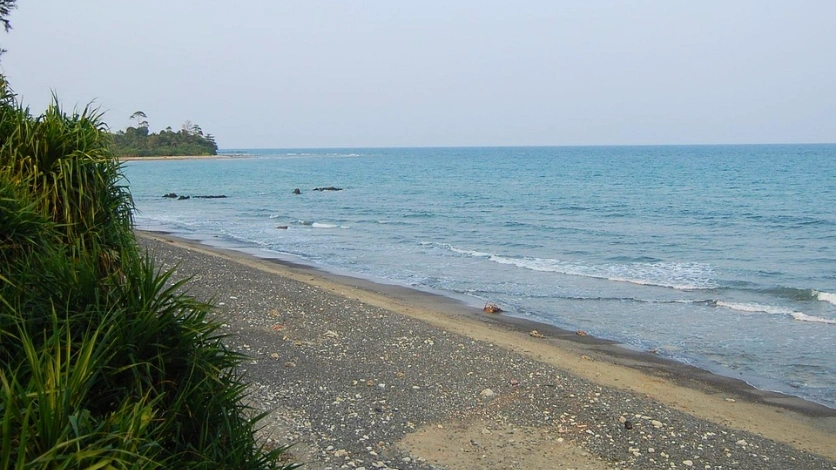
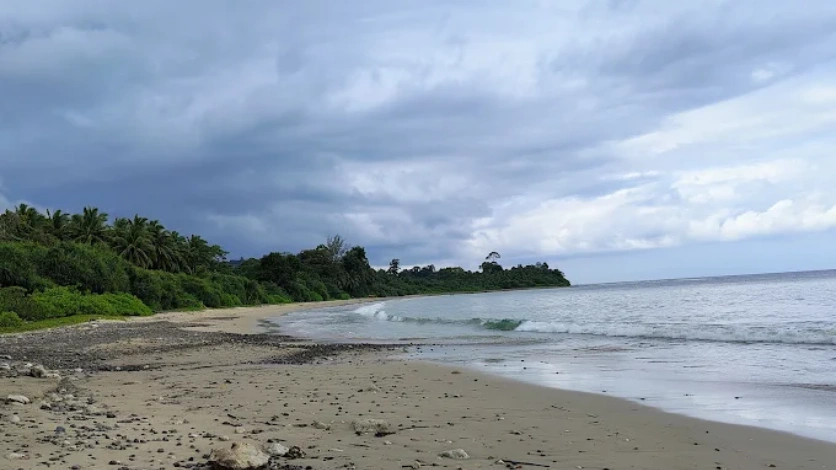
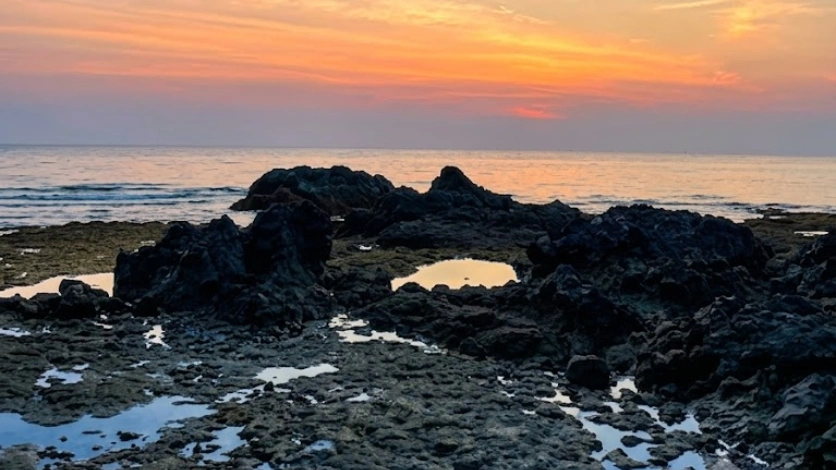
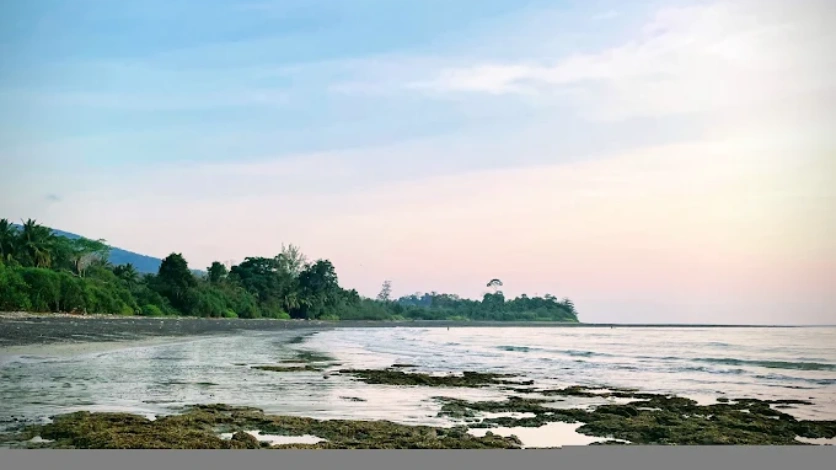
Amkunj Beach is one of the easiest and most rewarding stops around Rangat town, a short stretch of coastline where mangroves meet the bay and the evenings bring some of the quietest sunsets in Middle Andaman. About 8 km from Rangat, the beach sees few visitors compared to the more well-known spots further north, which is precisely what makes it worth the detour.
About Amkunj Beach of the Andaman Islands
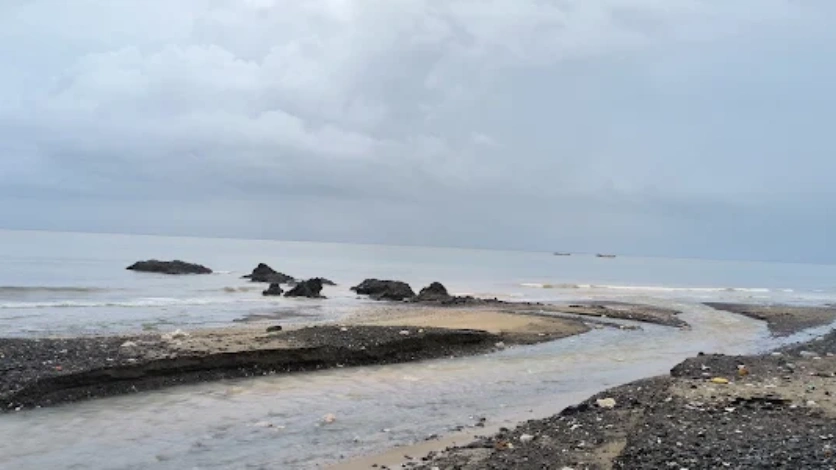
Amkunj Beach lies on the western edge of Rangat Bay, tucked between a small fishing jetty and a fringe of mangrove trees that give the shoreline a sheltered, enclosed character. The beach itself is modest in length, with fine sand and calm, shallow water close to the shore.
The jetty at Amkunj is used by local fishing boats, and early mornings here have a working character to them, with fishermen setting out or returning with the day's catch. By late afternoon the pace slows, and the beach becomes a natural place to sit and watch the sun go down over the bay.
There is no commercial development on the beach itself, no shacks, no vendors, no hired activity counters, which keeps it one of the more genuinely peaceful stops along a Rangat day itinerary.
Quick Facts
- Amkunj Beach sits about 8 km from Rangat town, making it one of the most accessible beaches in Middle Andaman.
- The beach is best known for its sunsets, with the sky reflecting off the calm bay waters in the early evening.
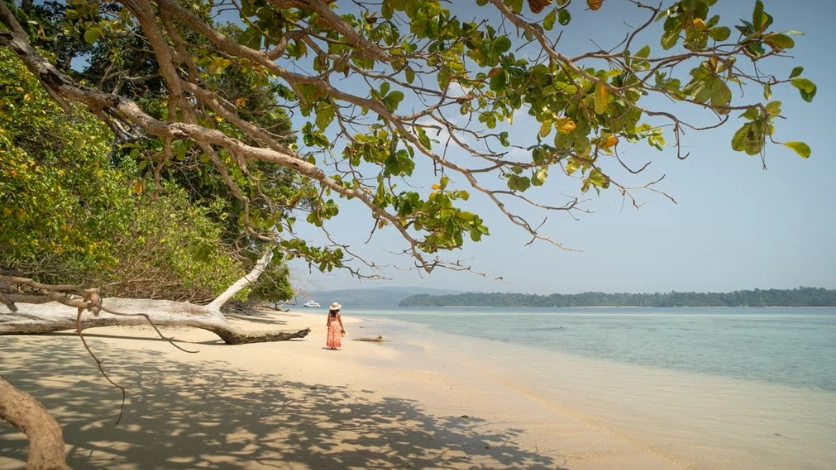
- A narrow strip of mangroves lines the edges of the beach, giving it a more sheltered, enclosed feel than open ocean beaches.
- The waters here are generally calm and shallow close to shore, suitable for wading and quiet walks along the waterline.
- A small jetty at Amkunj serves local fishing boats, and it is common to see fishermen heading out in the early morning.
- There are no commercial beach shacks or crowds here, which makes Amkunj a good choice for visitors who prefer a quieter stop.
The History of Amkunj Beach
- An Eco-Friendly Coastal Retreat in Rangat
Amkunj Beach is one of the most beautiful natural attractions in Rangat, located along the eastern coast of Middle Andaman Island. Unlike many popular beaches in the Andamans, Amkunj was developed with a strong focus on environmental conservation. The Forest Department created eco-friendly pathways, wooden seating areas, and resting shelters using natural materials, allowing visitors to enjoy the beach without disturbing its fragile coastal ecosystem.
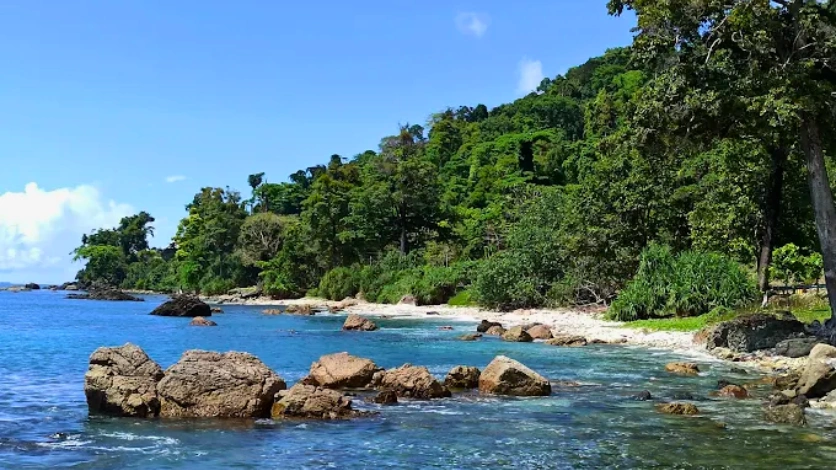
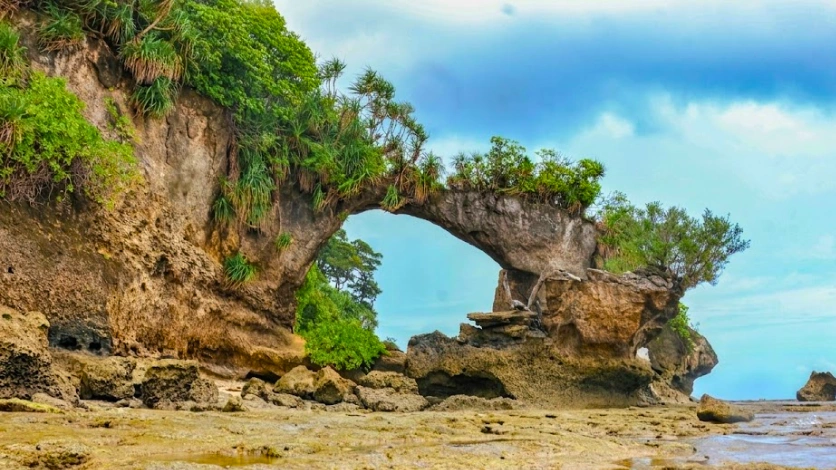
The beach is known for its unique mix of rocky shoreline, driftwood formations, tropical forests, and mangrove vegetation. Over the years, Amkunj has become a peaceful stop for travelers exploring Middle Andaman, offering a refreshing break from the busier destinations of South Andaman. Its clean surroundings and well-maintained facilities have made it one of the region's finest examples of sustainable tourism.
Although swimming is not recommended because of the rocky seabed and changing sea conditions, Amkunj Beach is highly regarded for its scenic walking trails, birdlife, and spectacular sunset views over the Bay of Bengal. Visitors often spend time relaxing on the wooden benches, photographing the coastline, or simply enjoying the quiet atmosphere surrounded by nature.
Today, Amkunj Beach remains one of Rangat's most visited attractions for nature lovers and road travelers heading between Baratang, Rangat, and Diglipur. Its combination of untouched beauty, eco-conscious development, and peaceful surroundings makes it a must-visit destination for anyone seeking a quieter side of the Andaman Islands.
Plan Your Rangat Sightseeing Tour with Our Local ExpertsWhat to See on Amkunj Beach
Amkunj is a quiet beach with a handful of simple things to do, all of which are best approached without a schedule.

Sunset Watching
Arrive an hour before sunset and find a spot along the shore. The bay faces west, and on clear evenings the light over the water is hard to beat.
Beachside Walking
Walk the length of the beach at low tide, when the sand stretches further out and the mangrove edge is easier to explore on foot.
Birdwatching
The mangrove fringe around the beach draws kingfishers, egrets, and other coastal birds, especially in the early morning and around dusk.
Photography
Jetty, fishing boats, mangrove backdrop give the beach natural, lived-in quality photographs well low, golden-hour light.
Getting to Amkunj Beach
- How to Reach from Rangat
Amkunj Beach is about 8 km from Rangat town, which makes it one of the more straightforward day trips in Middle Andaman. The road from Rangat is in reasonable condition and the drive takes around 20 minutes by auto-rickshaw or hired vehicle.
There is no regular bus service directly to the beach, so most visitors hire a vehicle from Rangat for the afternoon. Combining Amkunj with a morning visit to Dhani Nallah Mangrove Walkway makes for a comfortable full day out of Rangat without covering too much distance.
From Port Blair, Rangat is approximately 160 to 170 km north via the Andaman Trunk Road. Most travellers reach Rangat by bus or ferry and then explore the local beaches by hiring transport for the day.
Book Your Amkunj Beach VisitTips for Visiting Amkunj Beach
- Plan your visit for late afternoon if the sunset is the main draw. The beach faces west over the bay, and the light from about an hour before sunset is the best the beach has to offer.
- Carry water, snacks, and sun protection. There are no shops or food stalls at the beach, and shade is limited outside the mangrove edge.
- Wear light, breathable clothing and bring insect repellent, especially if you plan to walk near the mangrove fringe in the early morning or evening.
- The beach is best combined with Dhani Nallah Mangrove Walkway for a full day out of Rangat. Visit the walkway in the morning and head to Amkunj in the late afternoon.
- Our team at AndamanVacation.com can fit Amkunj Beach into your Rangat itinerary alongside Dhani Nallah and Cuthbert Bay so you are not doubling back on the same roads.
Frequently Asked Questions
Amkunj Beach is about 8 km from Rangat town in Middle Andaman. It is easily reached by auto-rickshaw or hired vehicle from Rangat, and is a convenient stop if you are spending a day or two in the area.
Amkunj is best known for its sunsets and its calm, mangrove-fringed shoreline. It is one of the quieter beaches in Middle Andaman, with no commercial activity on the beach itself, which makes it a popular stop for those looking for a more relaxed experience.
The waters at Amkunj are generally calm and shallow close to the shore, which makes wading comfortable, but there are no lifeguards posted at the beach. Visitors should exercise the usual caution and avoid swimming alone or after dark.
October to March is the most comfortable season, with dry weather and manageable temperatures. Late afternoon is the best time of day to visit if you want to catch the sunset, which is the main draw for most visitors.
Amkunj Beach has basic facilities including a small parking area, but there are no restaurants, snack stalls, or changing rooms on the beach itself. Visitors should carry their own water and food for the outing.
Yes, particularly for travellers who want a simple, unhurried beach stop without the infrastructure of more developed beaches. Combined with Dhani Nallah and Cuthbert Bay, it fits naturally into a full day of sightseeing around Rangat.
Include Amkunj Beach in Your Andaman Itinerary
Amkunj Beach is one of those stops that works best as part of a broader Rangat day rather than a standalone destination. Paired with the Dhani Nallah Mangrove Walkway in the morning and the beach in the afternoon, it rounds out a satisfying day in Middle Andaman without requiring a long drive in either direction.
Our team at Andaman Vacations India has been building Rangat and Middle Andaman itineraries for over 25 years. Tell us your travel dates and group size and we will put together a plan that covers Rangat, Mayabunder, and Diglipur in the right order.
More Places to Visit in Rangat
View All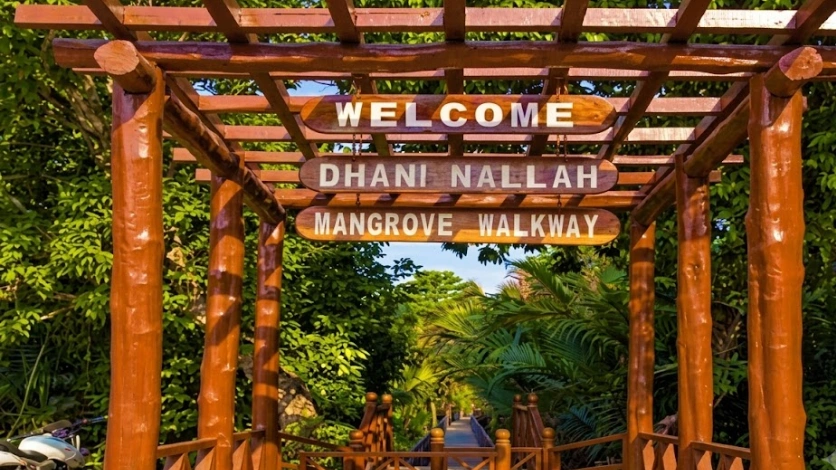

Related Travel Guides
View AllDiscover helpful guides and travel tips related to Amkunj Beach.
 14 July 2025
 18 Nov 2025
 21 Jan 2026
Monsoon Food & Culture Festival 2026: What's On at ITF Ground This Week
Read More 13 Jul 2026