

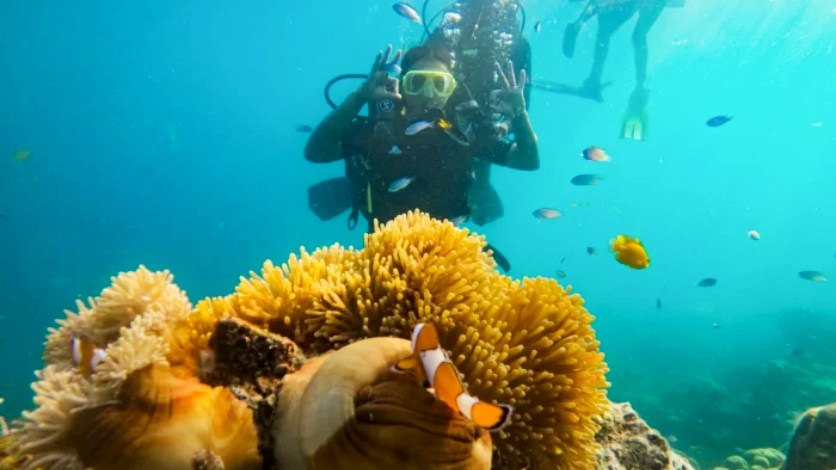
Nemo Reef sits in the waters around Havelock Island and is one of the more popular snorkeling stops for visitors to the island. The name is informal, it comes from the clownfish that live among the sea anemones on the reef, the same species that the 2003 film Finding Nemo made recognizable to most people. The reef is in relatively shallow water, which means you do not need a diving certification to see what is there. A snorkeling mask and some comfort in the water is enough. Most visitors reach the reef by boat as part of an organized trip from the jetty area or from Elephant Beach.
About Nemo Reef of the Andaman Islands
Nemo Reef is a coral reef formation in the waters around Havelock Island, typically reached by a 20 to 30 minute boat ride from the main jetty or from Elephant Beach. The reef is at a depth that varies across its area, shallow enough in sections for surface snorkeling, with some deeper patches suitable for scuba divers.
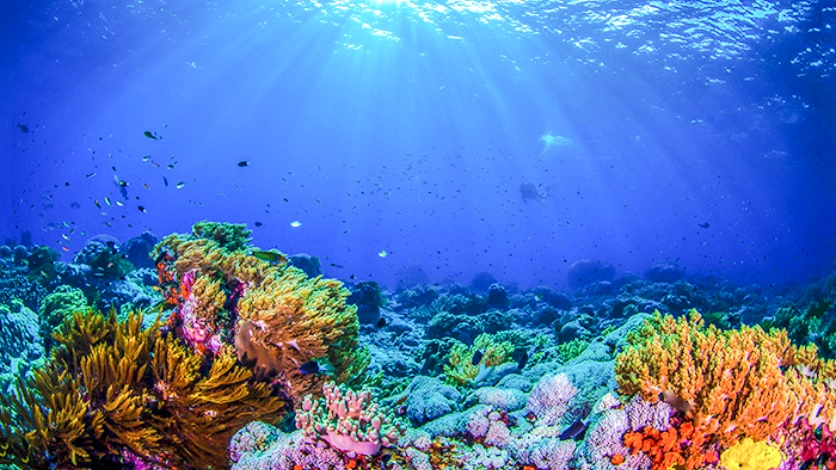
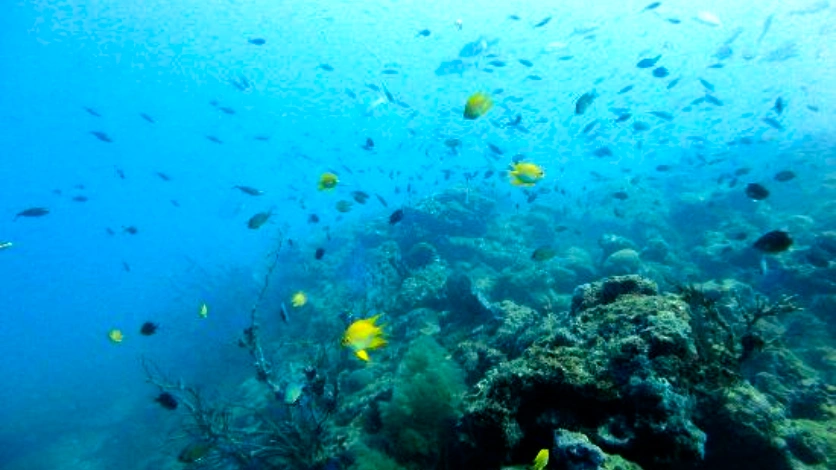
The reef supports several types of hard coral, brain coral, staghorn coral, and table coral formations are common depending on reef conditions at the time of your visit. Sea anemones are spread across the shallower sections, and the clownfish that give the reef its name are reliably present in and around these anemones. Beyond clownfish, the reef holds parrotfish, surgeonfish, damselfish, and the occasional reef shark in the deeper water around the edges.
Water visibility at Nemo Reef is good during the dry season, typically November to March. The clarity can drop after rough weather or during the transition months of May and October. The monsoon months render the reef inaccessible by boat for most practical purposes.
Quick Facts
- Nemo Reef is named after clownfish found among sea anemones (inspired by Finding Nemo).
- Shallow reef, easy access for snorkelling-no diving certification needed.
- Reliable spot in Havelock to see clownfish in natural habitat.
- Usually reached by boat from Elephant Beach or guided snorkelling tours.
- Best visibility from Oct-Apr, peak conditions Nov-Mar.
The History of Nemo Reef
- From Hidden Gem to Underwater Paradise
The name Nemo Reef does not appear on any official nautical chart or government map of the Andaman Islands. It is a working name given by local dive operators and guides, likely sometime after 2003 when Finding Nemo brought global attention to clownfish and their relationship with sea anemones.
Before the name caught on, the reef was simply one of several snorkeling spots that operators took visitors to around Havelock Island. The clownfish were always there, they are a permanent resident of the anemones on this reef, but the Finding Nemo association gave guides a name that stuck with tourists immediately and required no explanation. Nemo Reef became the standard term and has stayed that way.
The reef itself predates any of this by a considerable margin. Coral reefs in the Andaman Sea have been developing over thousands of years, and this particular formation has been part of the marine ecosystem around Havelock Island long before the island was settled or the Andamans were opened to tourism.
Like many of the Andaman's reefs, Nemo Reef has been affected by coral bleaching events, most significantly in 1998 and again in 2010 and 2016, when elevated sea temperatures caused widespread bleaching across the region. Recovery has been partial and uneven. Some sections of the reef are in better condition than others, and operators who know the area can usually guide you to the healthiest parts.
Plan Your Havelock Island Tour with Our Local ExpertsWhat to See on Nemo Reef
Nemo Reef is simple and straightforward, there are no beaches to lounge on and no shacks selling coconut water. You come here to get in the water, look at the fish, and leave smiling. Here is what to expect during your time there.
Snorkeling with Clownfish
Snorkel above coral reefs where clownfish thrive among anemones, offering underwater encounters in the waters of Nemo Reef.
Scuba Diving
Explore deeper reef sections with certified instructors, discovering colourful corals, tropical fish, rays and diverse marine life in one of Havelock's popular dive sites.
Underwater Photography
Capture vibrant, crystal-clear, memorable photographs of clownfish, coral gardens and marine life, with visibility making Nemo Reef ideal for photography.
Coral Observation
Observe coral formations up close while learning about reef ecosystems, conservation and the biodiversity that makes Nemo Reef special.
How to Visit Nemo Reef, Boats, Operators and What to Expect
Nemo Reef is not accessible independently. You need a boat to get there, and in practice that means booking through one of the snorkeling or dive operators on Havelock Island. Most operators offer Nemo Reef as part of a combined trip, typically paired with Elephant Beach or one or two other snorkeling spots in the same outing.
Trips typically depart from the Havelock jetty area or from Elephant Beach in the morning. The boat ride to the reef takes 20 to 30 minutes. Once there, the operator anchors and visitors enter the water for a guided snorkel session. Fins, masks, and life jackets are provided. The time in the water is usually 30 to 45 minutes before the boat moves to the next stop or returns.
Gear quality varies between operators. If underwater photography matters to you, it is worth asking in advance whether their masks are low-volume (better for diving down briefly) or standard. Some operators also provide underwater cameras for rent.
The reef condition varies across the year and across different sections. An experienced guide will take you to the parts of the reef that are in better shape on the day. If you are visiting in shoulder season (October or April), ask the operator about current visibility before booking.
Book Your Nemo Reef VisitTips for Visiting Nemo Reef
- Book your trip for the morning. Water visibility is consistently better in the first half of the day before boat traffic and wind chop affect surface conditions.
- Do not touch the coral or the anemones. Contact damages coral and stresses the anemones, which in turn affects the clownfish. Operators will tell you this at the briefing, but it is worth knowing before you get in.
- Use reef-safe sunscreen. Standard sunscreen contains chemicals that are harmful to coral. Reef-safe alternatives are available at shops in the Beach No. 1 area, though the selection is limited, bring your own if this matters to you.
- If you are not a confident swimmer, tell the operator before boarding. Life jackets are provided for snorkeling but knowing your comfort level helps the guide manage the group properly.
- Manage expectations about reef condition. Parts of the reef show bleaching damage from past events and the coral is not uniformly healthy. The clownfish and anemones are reliable; the coral coverage is patchier than older photographs suggest.
- Plan your visit between November and March for the best water clarity. October and April are workable. Do not attempt to book reef trips during the monsoon, most operators suspend trips between June and September.
Frequently Asked Questions
Nemo Reef gets its name from the clownfish that live among the sea anemones on the reef. Clownfish became widely known as "Nemo" after the 2003 Pixar film Finding Nemo. The name is informal and used by local operators and guides rather than on any official map, but it has become the standard way to refer to this reef among visitors and dive operators on Havelock Island.
Yes. The reef is in shallow water and does not require any certification to snorkel. Most operators who run trips to Nemo Reef provide basic instruction and equipment. That said, some comfort in the water helps, you need to float and breathe through a mask for an extended period. If you have never snorkeled before, the operator can give you a few minutes of instruction before the trip.
Nemo Reef is reached by boat. Most visitors get there as part of an organized snorkeling trip from the Havelock jetty area or from Elephant Beach. The boat ride takes around 20 to 30 minutes depending on the departure point. Independent access by swimming is not practical, you need a boat to reach the reef.
Clownfish and sea anemones are the primary draw. Beyond those, the reef supports parrotfish, surgeonfish, damselfish, and occasional reef sharks in the deeper sections nearby. The coral formations include brain coral, staghorn coral, and table coral, depending on the condition of the reef at the time of your visit.
November to March offers the best water visibility and calmest conditions. October and April are also reasonable. From May onwards the sea gets progressively rougher and the monsoon months (June to September) make boat trips to the reef unsafe and impractical.
Include Nemo Reef in Your Andaman Itinerary
Nemo Reef is one of the easier marine experiences to add to a Havelock Island trip. It does not require certification, the trips are short, and the clownfish are reliably there. For anyone spending more than two days on the island, a morning snorkeling trip to Nemo Reef is a practical and worthwhile addition.
Our team can help you book a snorkeling trip to Nemo Reef as part of a broader Havelock Island itinerary, including Radhanagar Beach, Elephant Beach, and other experiences suited to your group and travel dates.
More Places to Visit on Havelock Island
View All
Related Travel Guides
View AllDiscover helpful guides and travel tips related to Nemo Reef.
 14 July 2025
 18 Nov 2025
 21 Jan 2026
Events & Festivals
Monsoon Food & Culture Festival 2026: What's On at ITF Ground This Week
Read More 13 Jul 2026