


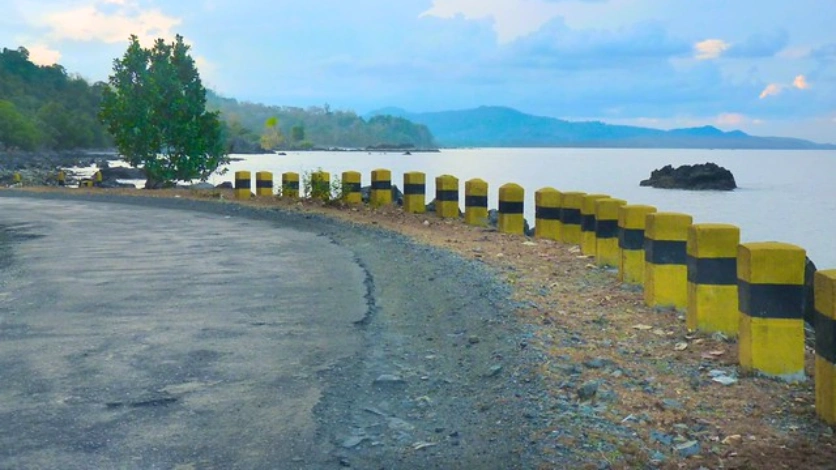
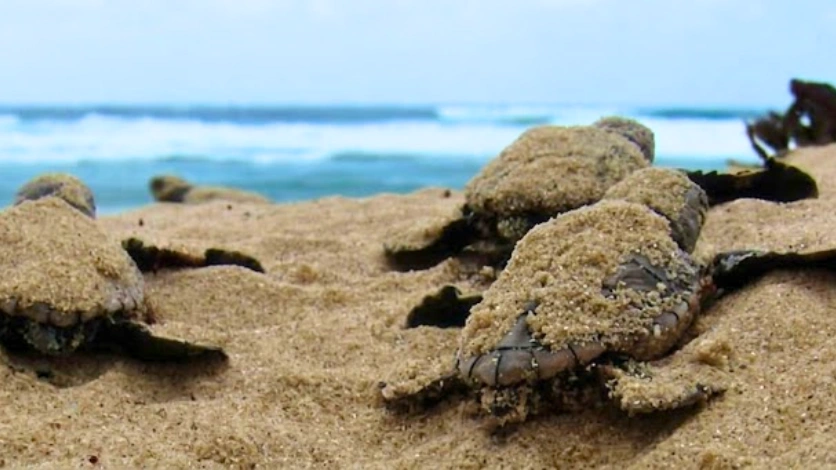

Cuthbert Bay Beach is more than just a peaceful beach in the Middle Andaman. One of the most important Olive Ridley sea turtle hatching grounds in the entire Andaman Islands, it is located inside a recognized wildlife sanctuary. It's about 14 kilometers from Rangat town, and it's the kind of location that rewards travelers who make the extra effort to get there, especially in November and February when the turtles come ashore to nest.
About Cuthbert Bay Beach of the Andaman Islands
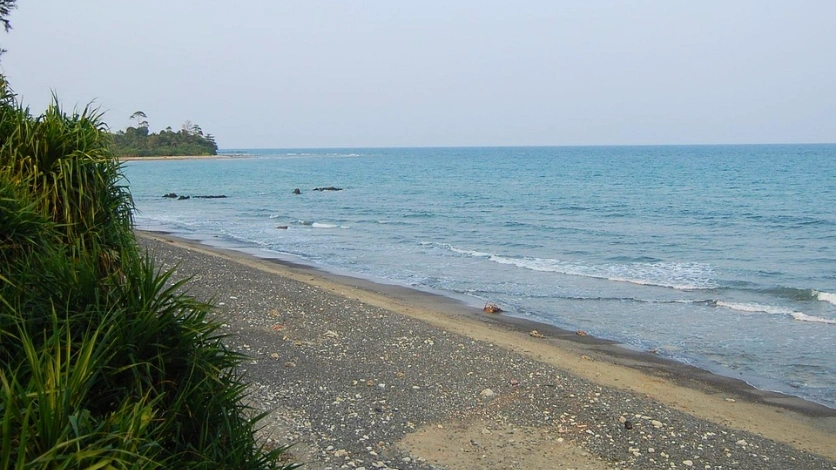
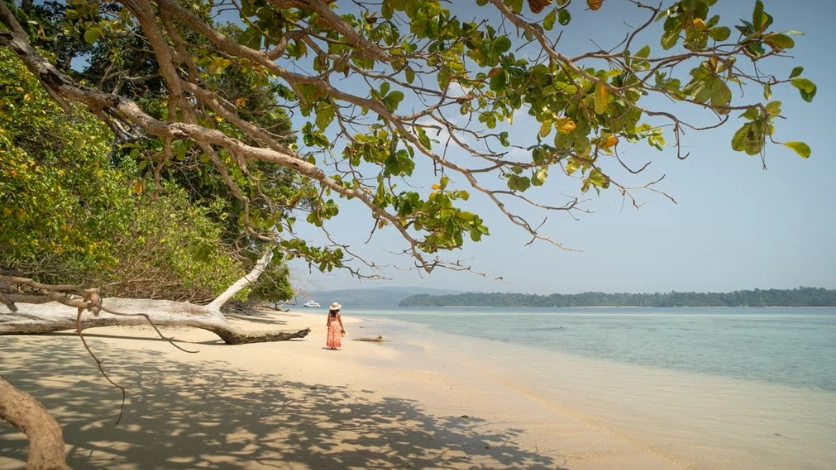
Cuthbert Bay Wildlife Sanctuary covers the beach and the surrounding coastal forest and grassland, all of which serve as nesting and foraging habitat for Olive Ridley sea turtles. The beach itself is several kilometres long, with a mix of open sand and areas shaded by the treeline at its back.
The Forest Department runs an active turtle protection programme here. During the nesting season, rangers patrol the beach at night, eggs are monitored, and hatchlings are released in the early morning under supervision. Visitors who time their trip correctly may witness a hatchling release, which remains one of the more memorable wildlife experiences available anywhere in the Andamans.
Outside of the nesting season, Cuthbert Bay is a peaceful, undeveloped beach with good birdwatching along the coastal forest edge and long, open walks along the waterline. The sanctuary status means commercial activity is absent, which keeps the whole area in noticeably better shape than many beaches further south.
Quick Facts
- Cuthbert Bay is a protected wildlife sanctuary, officially designated as the Cuthbert Bay Wildlife Sanctuary to safeguard its turtle nesting habitat.
- It is one of the most important Olive Ridley sea turtle nesting beaches in the Andaman Islands, with nesting activity typically observed from November to February.
- The beach stretches for several kilometres, backed by a mix of coastal forest and grassland that supports a range of resident and migratory bird species.
- The Forest Department runs a turtle protection programme here during nesting season, and hatchling releases are sometimes witnessed by visitors in the early morning.
- Cuthbert Bay lies about 14 km from Rangat town, making it a manageable half-day or full-day trip when combined with other nearby stops.
- There is no commercial development within the sanctuary, and visitor numbers are kept low to protect the nesting habitat, giving the beach a genuinely undisturbed character.
The History of Cuthbert Bay Wildlife Sanctuary
- Why It Was Protected
Cuthbert Bay was designated a wildlife sanctuary specifically to protect its role as a major sea turtle nesting ground. The Olive Ridley, which nests here in significant numbers, is listed as a vulnerable species, and the beaches of Middle Andaman represent some of its last undisturbed nesting habitat in the Indian Ocean region.
The sanctuary designation brought Forest Department monitoring, restrictions on construction and commercial activity, and an organised hatchery programme that has helped protect nests from natural predation and human disturbance over the years.
The grassland and coastal forest within the sanctuary boundary also support a wide range of bird species, including several that are difficult to find elsewhere in the Andamans. This has made Cuthbert Bay increasingly popular with birdwatchers alongside the turtle-focused visitors.
Today, Cuthbert Bay remains one of the quieter and better-preserved stretches of coastline in Middle Andaman, a direct result of the protection it has received over the decades.
Plan Your Rangat Tour with Our Local Andaman ExpertsWhat to See on Cuthbert Bay Beach
Cuthbert Bay offers more than most beaches in the Rangat area, with the sanctuary habitat adding wildlife interest on top of the beach itself.
Turtle Nesting & Conservation
Visit between November and February for the best chance of witnessing Olive Ridley nesting activity or a Forest Department hatchling release in the early morning.
Birdwatching
A bird species is supported by the grassland refuge and coastal woodland. The ideal time to see locals and seasonal migrants along the treeline is in the early morning.
Beach Walking
Walk the length of the beach at low tide for an unobstructed view of the full bay, with the forest edge on one side and open water on the other.
Wildlife Photography
The sanctuary setting, undisturbed shoreline, and seasonal turtle activity make Cuthbert Bay one of the better wildlife photography spots in the Rangat area.
Turtle Nesting at Cuthbert Bay
- What Visitors Should Know
Cuthbert Bay is one of the Andaman Islands' most active Olive Ridley turtle nesting sites, with females coming ashore to lay eggs typically between November and February each year. The Forest Department stations rangers on the beach during this period to monitor nests, deter predators, and manage visitor access.
Hatchling releases, where Forest Department staff guide newly emerged turtles to the sea, occasionally take place in the early morning and are sometimes open to a small number of visitors. Timings vary from year to year, so it is worth checking at the Forest Department office in Rangat before planning a visit specifically around nesting activity.
Visitors should follow all instructions given by Forest Department staff on the beach. Torches and flash photography near nesting turtles or hatchlings should be avoided entirely, and a respectful distance should be maintained at all times. The sanctuary rules exist to protect the turtles, not to restrict the experience, and most visitors find that following them makes the encounter more rewarding, not less.
Book Your Cuthbert Bay VisitTips for Visiting Cuthbert Bay Beach
- Check with the Forest Department office in Rangat before heading out, especially during nesting season. They can advise on current activity and whether hatchling releases are expected in the coming days.
- Arrive early in the morning during nesting season. Both nesting activity and hatchling releases typically happen at night or just before dawn, and the beach is at its most active in the early hours.
- Carry all supplies from Rangat town — water, food, insect repellent, and sun protection. There are no shops or food stalls within or near the sanctuary.
- Do not use torches or flash photography near turtles or hatchlings. Bright light disorients the turtles and can cause hatchlings to move away from the sea rather than toward it.
- Our team at AndamanVacation.com can include Cuthbert Bay in your Rangat day plan alongside Dhani Nallah Mangrove Walkway and Amkunj Beach, so you see the best of Middle Andaman without unnecessary detours.
Frequently Asked Questions
Cuthbert Bay Beach is about 14 km from Rangat town in Middle Andaman. It lies within the Cuthbert Bay Wildlife Sanctuary and is best reached by hiring a vehicle from Rangat, as there is no regular bus service directly to the beach.
Cuthbert Bay is best known as one of the most significant Olive Ridley sea turtle nesting beaches in the Andaman Islands. The beach and surrounding area are protected under the Cuthbert Bay Wildlife Sanctuary, making it one of the more ecologically important stops in Middle Andaman.
Olive Ridley sea turtles typically nest at Cuthbert Bay between November and February. During this period, the Forest Department monitors the beach closely, and hatchling releases sometimes take place in the early morning hours. Visitors should check locally in Rangat for current activity before heading out.
Yes, Cuthbert Bay is open to visitors, though access within the sanctuary may be subject to Forest Department guidelines, particularly during the turtle nesting season. A nominal entry fee may apply. Visitors should follow all instructions from Forest Department staff to protect the nesting habitat.
Facilities at Cuthbert Bay are basic. There are no restaurants or shops within the sanctuary, so visitors should carry their own water, food, and supplies from Rangat town before setting out. Basic rest facilities may be available near the sanctuary entrance.
Yes. Outside of nesting season, Cuthbert Bay is still a rewarding stop for birdwatching, beach walking, and photography. The combination of a long undeveloped shoreline, coastal forest, and sanctuary status makes it one of the more distinctive beaches in the Rangat area regardless of the time of year.
Include Cuthbert Bay in Your Andaman Itinerary
Cuthbert Bay Beach is the most ecologically significant stop in the Rangat area and one that tends to leave a lasting impression on visitors who time it right. Whether you are here for the turtle nesting season or simply looking for a protected, undeveloped beach with genuine wildlife interest, it is a stop worth building into your Middle Andaman schedule.
Our team at Andaman Vacations India has been planning Middle Andaman itineraries for over 25 years. Tell us your travel dates and group size and we will put together a Rangat plan that includes Cuthbert Bay alongside the other main sights in the area, without wasting a day on unnecessary road time.
More Places to Visit in Rangat
View All
Related Travel Guides
View AllDiscover helpful guides and travel tips related to .
 14 July 2025
 18 Nov 2025
 21 Jan 2026
Events & Festivals
Monsoon Food & Culture Festival 2026: What's On at ITF Ground This Week
Read More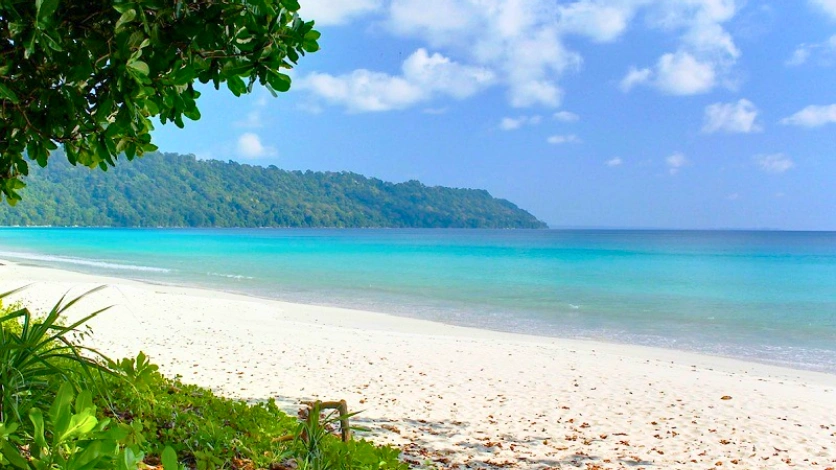 13 Jul 2026